

Kling 4.0 gratis: 30 seconden met geluid
Kling 4.0 maakt in één keer tot 30 seconden video met stereo-audio en lipsync, vanuit een tekstprompt of vanuit een eerste en laatste frame. Probeer Kling 4.0 gratis online!
Seedance 2.5
Clips tot 30 s met beeld-, video- en audioreferenties.
Kling 4.0 Flash
De snelle versie van Kling 4.0: 720p-clips met geluid voor minder credits.
Wan 3.0
Clips tot 30 s met native audio en lipsynchrone dialogen.
GPT Image 2.6
Genereer en bewerk afbeeldingen met het nieuwste model van OpenAI.

GPT Image 2.5
Genereer en bewerk afbeeldingen vanaf 1 credit.
Nano Banana 2.1
Het beeldmodel van Google: scherpere details, strakkere tekst.
Seedance 2.0
Filmische multi-shotvideo met native audio en lipsync.
Voorbeelden van AI-video’s met Kling 4.0
Kling 4.0-functies in één oogopslag
- Kling 4.0-video’s van 30 seconden in één generatie: Kling 4.0 maakt 3 tot 30 seconden per run, dus één prompt draagt een hele scène van opbouw tot ontknoping, met het geluid tegelijk met het beeld gegenereerd.
- Afbeelding naar video in Kling 4.0 vanuit één still: Geef Kling 4.0 één eerste frame en beschrijf wat moet bewegen. De kadrering, gezichten en kleuren van je beeld worden het openingsshot.
- Native audio in Kling 4.0 met dialoog en lipsync: Elke Kling 4.0 clip komt terug met een stereo-soundtrack. Zet de zinnen tussen aanhalingstekens en de personages spreken ze uit, met lippen die meebewegen.
- Tekst naar video in Kling 4.0 met levensechte mensen: Twee zinnen zijn genoeg voor een natuurlijk vlogshot uit de hand: Kling 4.0 vult de persoon, de kamer en de manier waarop ze in de camera praat in.
- Realistisch acteerwerk en mimiek in Kling 4.0: Blikken, pauzes en kleine veranderingen in gezichtsuitdrukking zijn duidelijk te lezen, zodat een scène speelt als echt acteerwerk.
- Camerabesturing in Kling 4.0 voor snelle actie: Push-ins, pull-backs, pans, tracking- en orbitshots blijven vloeiend, ook in snelle scènes.
- Eerste en laatste frame vastleggen in Kling 4.0: Voeg een eerste frame toe en, als je wilt, een laatste. Kling 4.0 vult de beweging ertussen in, zodat een product, pose of eindbeeld precies goed landt.
- Instellingen van Kling 4.0 voor lengte, resolutie en beeldverhouding: Lengte, resolutie, beeldverhouding, input en promptlimieten zoals de generator ze nu aanbiedt.
- Specificaties en mogelijkheden van Kling 4.0: De specificaties die Kling zelf publiceert voor het volledige model. Wat Kling als ‘binnenkort’ aanmerkt, staat hier ook zo vermeld.
Kling 4.0-video’s van 30 seconden in één generatie
Kling 4.0 maakt 3 tot 30 seconden per run, dus één prompt draagt een hele scène van opbouw tot ontknoping, met het geluid tegelijk met het beeld gegenereerd.
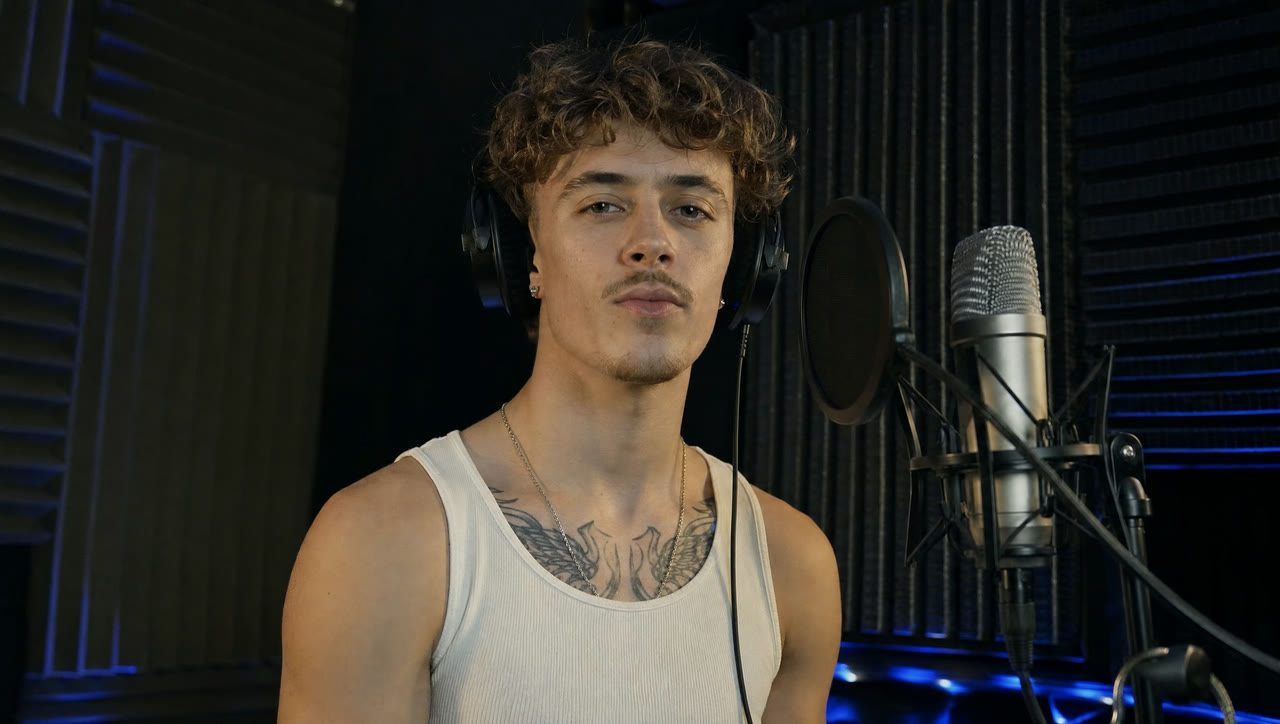
In deze releasedemo van Kling is de enige input een eerste frame van een jonge man achter een microfoon in een opnamecabine. Kling 4.0 houdt het shot de volle 30 seconden vast, genereert zijn stem en het ruimtegeluid erbij en laat zijn lippen synchroon lopen met de audio.
Afbeelding naar video in Kling 4.0 vanuit één still
Geef Kling 4.0 één eerste frame en beschrijf wat moet bewegen. De kadrering, gezichten en kleuren van je beeld worden het openingsshot.
Kling publiceerde deze demo met alleen het eerste frame: een tovenares tussen rode draden en oude munten. Kling 4.0 maakte van de still 15 seconden grote, snelle beweging, met zwiepende draden en munten die op de lens afvliegen, terwijl haar gezicht en kostuum hetzelfde blijven.

Native audio in Kling 4.0 met dialoog en lipsync
Elke Kling 4.0 clip komt terug met een stereo-soundtrack. Zet de zinnen tussen aanhalingstekens en de personages spreken ze uit, met lippen die meebewegen.
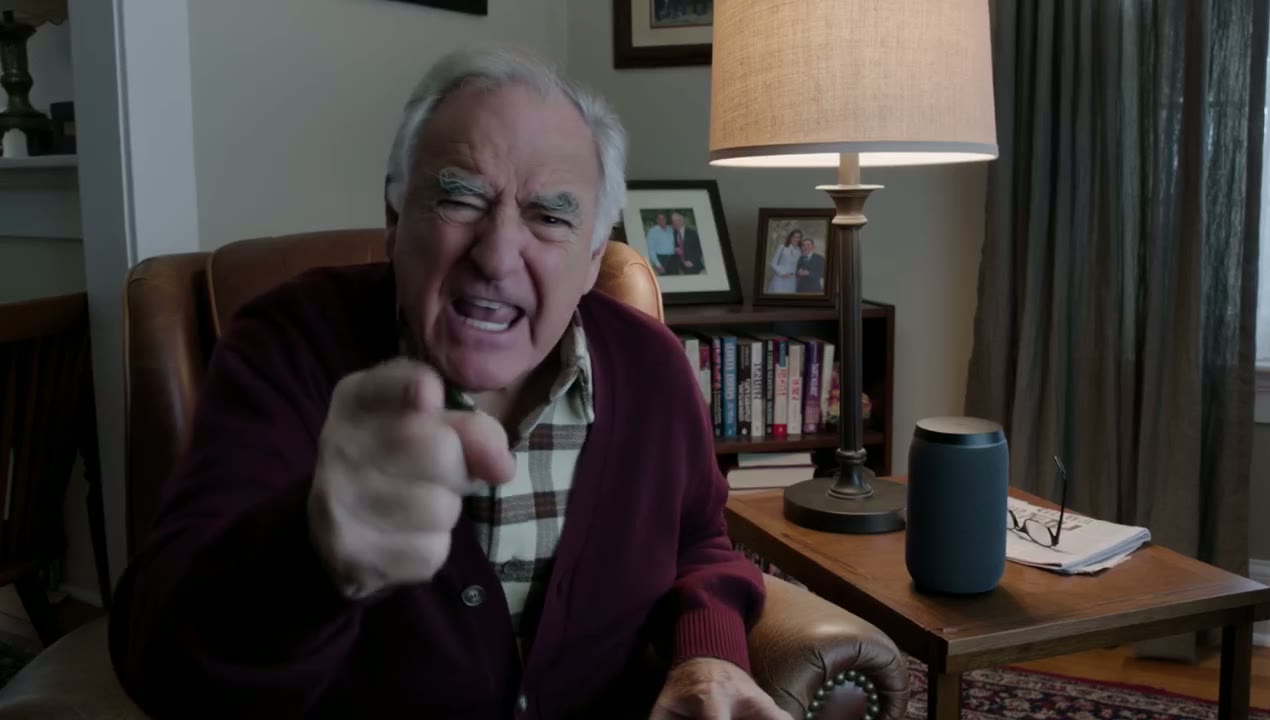
De hele prompt in de demo is één regel: ‘An old man ranting about AI.’ Kling 4.0 koos zelf de man, richtte de woonkamer in en schreef de tirade.
 Kling 4.0
Prompt: An old man ranting about AI. (Kling 4.0 · 16:9 · 15s · 1080p)
Tekst naar video in Kling 4.0 met levensechte mensen
Twee zinnen zijn genoeg voor een natuurlijk vlogshot uit de hand: Kling 4.0 vult de persoon, de kamer en de manier waarop ze in de camera praat in.
De demoprompt bestaat uit twee zinnen en vraagt om een vrolijke vlogger die zichzelf voorstelt; de kadrering, de kamer en de manier waarop ze in de camera praat komen allemaal van Kling.
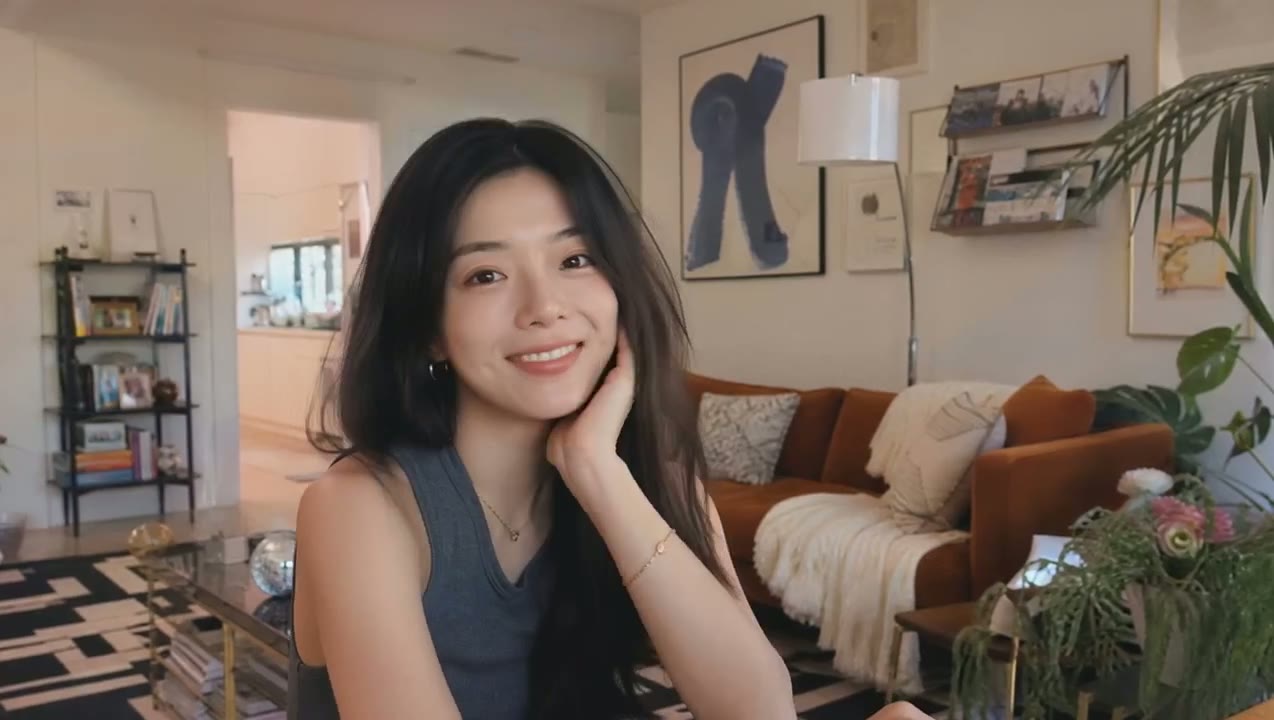 Kling 4.0
Prompt: A vlogger-style video in which the woman cheerfully introduces herself to the audience. Maintain a natural, authentic look and realistic image quality. (Kling 4.0 · 16:9 · 7s · 720p)
Realistisch acteerwerk en mimiek in Kling 4.0
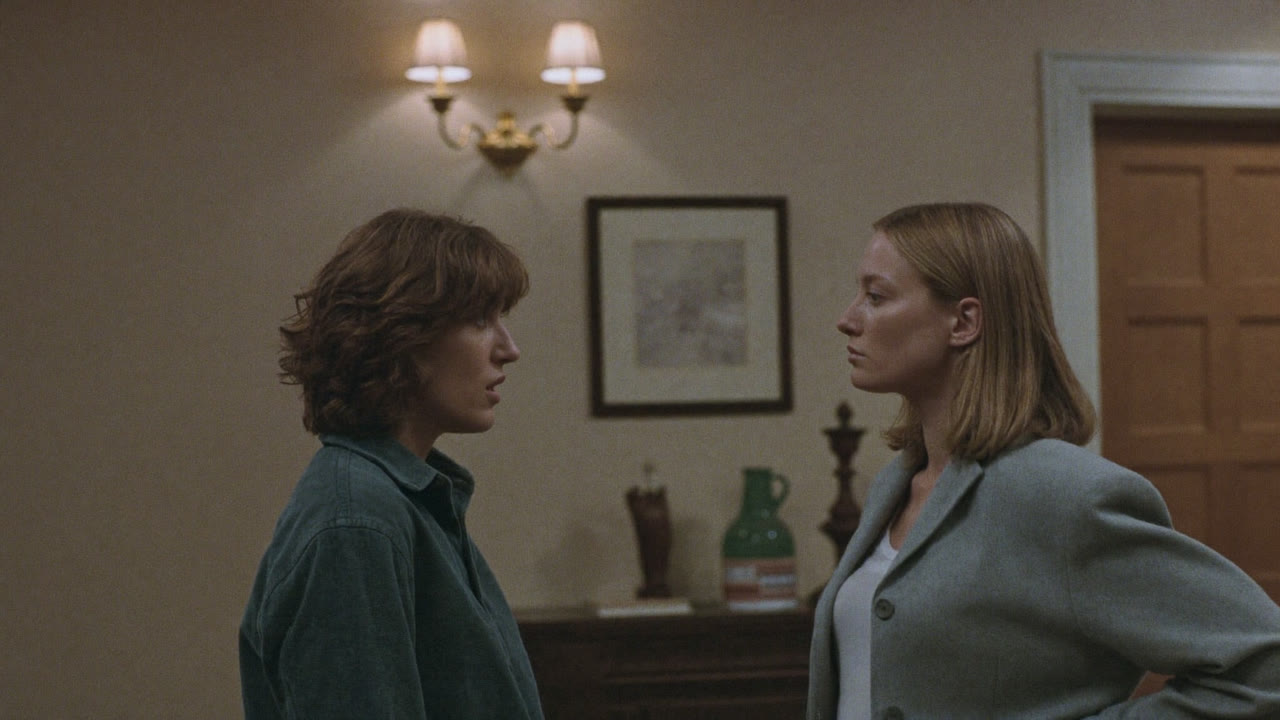
Kling 4.0 is beter in de details die mensen geloofwaardig maken: een blik die net te lang blijft hangen, een aarzeling voor een zin, de verandering in houding als een ruzie omslaat. Huid, licht en stof blijven natuurlijk van het eerste tot het laatste frame.
De demo van Kling begint met één frame van twee vrouwen die tegenover elkaar staan in een gang. In het resultaat van 11 seconden speelt de confrontatie zich af: een van hen draait zich om en loopt weg, en de scène eindigt met iets dat kapotgeslagen op de vloer ligt.
Camerabesturing in Kling 4.0 voor snelle actie
Noem de beweging in je prompt en Kling 4.0 voert die door: een push-in op een gezicht, een pull-back die de kamer onthult, een trackingshot dat een hardloper bijhoudt. Shotgroottes wisselen en cuts zitten goed, zonder dat het beeld wiebelt of de personages van hun uiterlijk afdrijven.
In deze releasedemo van 10 seconden sparren twee taekwondovechters terwijl de camera dichtbij blijft, opstijgt naar een bovenaanzicht van de mat en weer zakt naar ooghoogte; elke slag en elke stap blijft scherp.
Eerste en laatste frame vastleggen in Kling 4.0
Voeg een eerste frame toe en, als je wilt, een laatste. Kling 4.0 vult de beweging ertussen in, zodat een product, pose of eindbeeld precies goed landt.
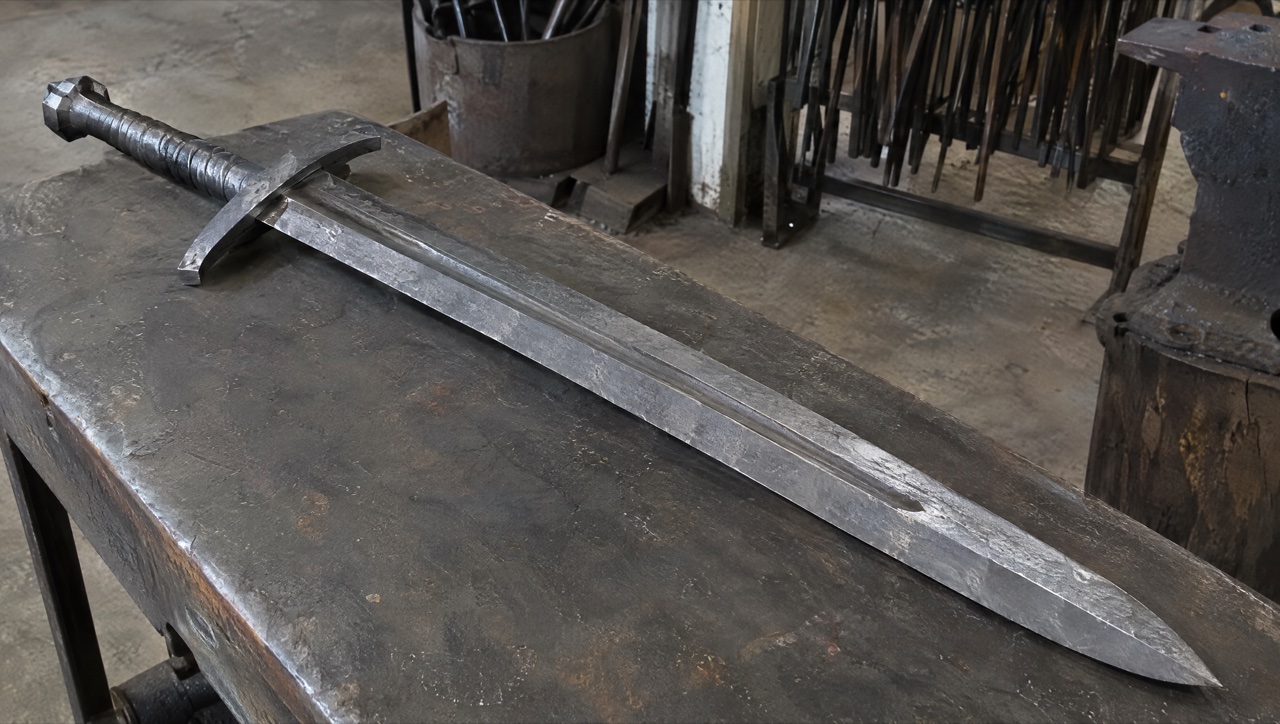
In de demo toont het eerste frame ruwe ijzerblokken op een werkbank en het laatste frame een afgewerkt tweehandig zwaard op dezelfde werkbank. Kling 4.0 vulde de 15 seconden ertussen met zes shots van het smeden.
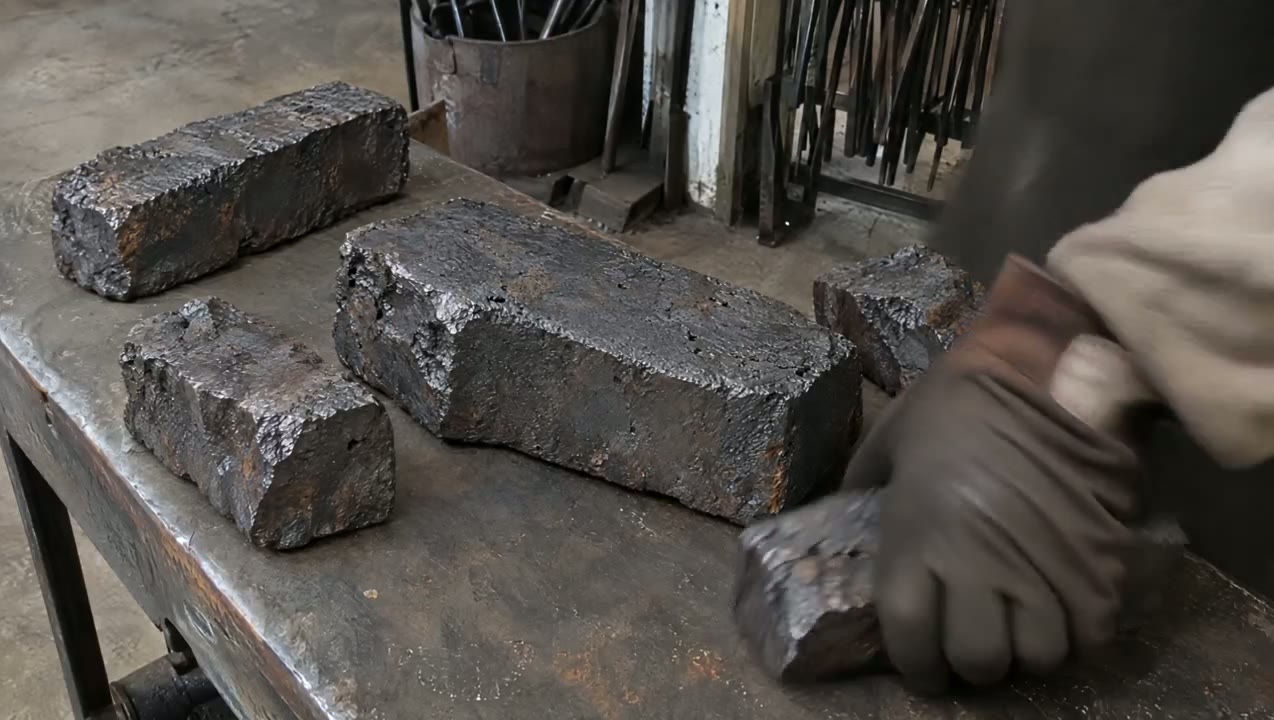
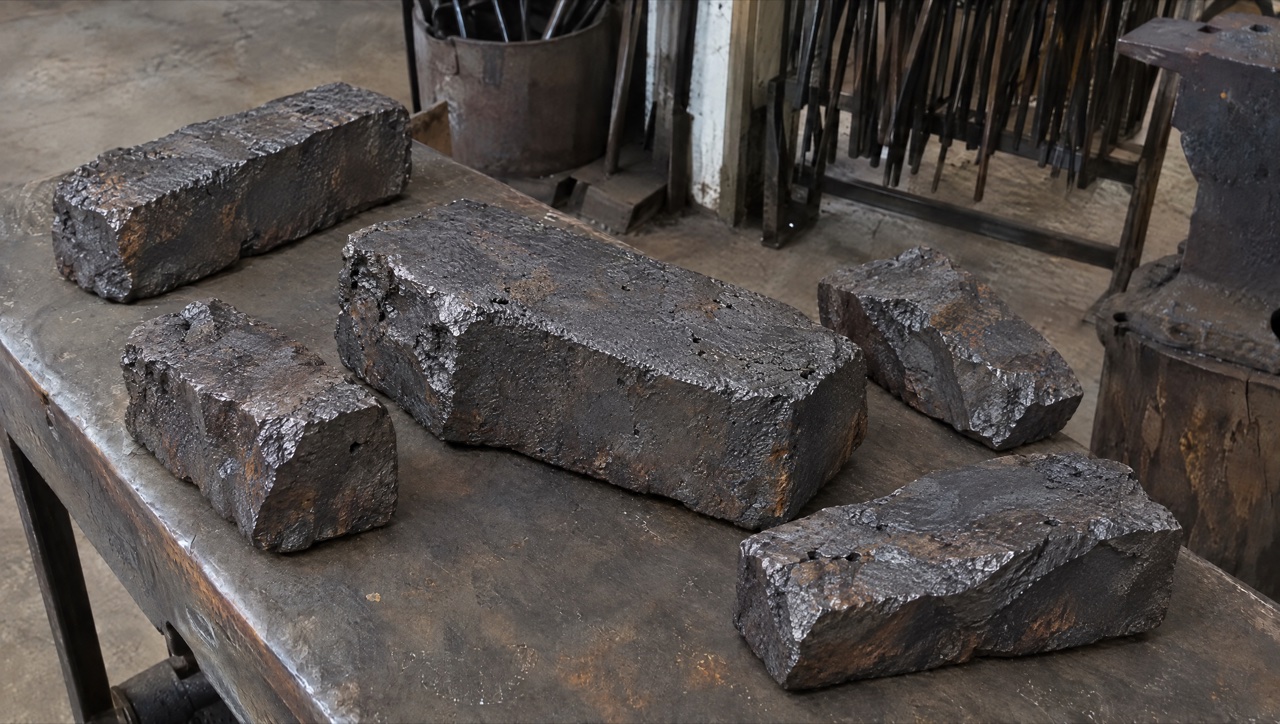
 Kling 4.0
Prompt: SCENE CONTEXT EXACT 1 CHARACTER — NO DUPLICATES. Interior, a worn blacksmith workshop, daytime. The same blacksmith removes the raw material, works it into a greatsword, and returns the completed sword to the original table.15 seconds, six shots. Manufacturing time is compressed through editorial cuts; individual actions retain natural weight and speed. ACTIVE REFERENCES: @Image1: exact first-frame anchor. Preserve all five iron blocks, their arrangement, the tabletop, background tools, perspective, and lighting. This image is the starting state of an active pickup shot.@Image2: exact final-frame anchor and finished-sword design. Preserve the blade silhouette, central fuller, angular curved crossguard, spiral metal grip, faceted pommel, diagonal placement, perspective, and background. This composition is reached through a visible physical placement. LOCATION MAP: The worktable fills the foreground. The tool bucket stands behind its left-center edge, the rod rack occupies the rear right, and the anvil stands at the right. The blacksmith works from the left side of the table in both endpoint shots. The camera stays on the original viewer-facing side of the table. During blade-working inserts, the tang points screen-left and the tip points screen-right. The final sword position runs from the upper-left pommel to the lower-right tip. FIRST FRAME AND SPATIAL BLOCKING: At 0.0 seconds, the frame exactly matches the raw-material reference, with five iron blocks and no hands visible. The same blacksmith immediately reaches in from the left edge. Both gloved hands approach the largest central block from opposite ends, preparing a supported two-handed lift. The blacksmith wears soot-gray sleeves, brown leather gloves, and a narrow dark strap around the right cuff. These details remain identical throughout every shot. FORMAT MODE: 15 seconds total, six shots.Hard cuts at 3.0, 5.0, 8.0, 10.0, and 11.0 seconds. Cuts compress the omitted manufacturing work and bench clearing. The opening pickup and closing placement each play as continuous physical actions.No fades, dissolves, or object-morph transitions. OPTICS: Shots 1 and 6: reference-matched elevated three-quarter framing, approximately 63° diagonal field of view and approximately 1.8 meters from the tabletop center. Exact endpoint framing takes priority over estimated optical measurements. Shots 2–5: 40° diagonal field of view, approximately 0.8 meters from the working contact point. Focus follows the hands and metal contact; the workshop background remains softly readable. Each shot holds one fixed field of view. CAMERA: A real camera operator holds the camera from the viewer-facing side of the workspace. All shots use handheld SETTLE: visible breathing sway, slight roll, and small delayed corrections. The opening camera holds its position while the iron block leaves the frame. The closing camera holds the empty tabletop composition while the sword enters, then settles into the exact final reference. The blacksmith is the only visible worker; the camera operator remains outside the image. ACTION TIMING: 0.0–3.0s — TAKE THE IRON. Start on the exact first reference; during 0.0–0.6s, the blacksmith’s matching gloved hands enter from screen-left and grip opposite ends of the largest central block. During 0.6–1.5s, the wrists brace and both hands lift the block clear of the tabletop, exposing the patch of table beneath it. During 1.5–3.0s, the blacksmith carries the supported block out through screen-left; the other four blocks remain resting on the table through the cut.3.0–5.0s — HEAT THE STOCK. Hard cut forward in time to one thick billet already glowing orange among forge coals. The same gray sleeves, brown gloves, and right-cuff strap appear at screen-left as the blacksmith holds long tongs around the billet. A short controlled pull draws the billet toward the forge mouth, with heat shimmer rising above its scaled surface.5.0–8.0s — FORGE THE BLADE. Hard cut forward to an elongated orange-hot blade blank supported on the anvil, tang left and emerging tip right. The same blacksmith braces the tang with left-hand tongs and delivers three deliberate right-hand hammer strikes along the blade flat. Each strike produces local compression, wrist recoil, and a brief scatter of dark scale.8.0–10.0s — FINISH THE METAL. Hard cut forward to a cooled blade with its fuller already formed, held by the same gloved hands against an abrasive wheel. The blacksmith makes one controlled finishing pass along the bevel. A narrow stream of sparks falls from the actual contact point as a brighter strip of metal appears.10.0–11.0s — COMPLETE THE HILT. Hard cut forward to the nearly finished sword supported on a separate assembly bench, its crossguard and spiral metal grip already fitted. The same blacksmith’s left hand braces the grip while the right hand gives the faceted pommel its final tightening turn. The completed sword now has the exact construction and finish required for the final image.11.0–15.0s — PLACE THE FINISHED SWORD.Hard cut to the original worktable, now completely clear; show its empty surface for 0.4 seconds before the same gloved hands carry the completed sword in from screen-left, one hand around the grip and the other supporting the blade flat near its balance point. From 11.4–13.8s, the blacksmith lowers the entire rigid sword diagonally, hilt toward upper-left and tip toward lower-right, easing it onto the tabletop and sliding the supporting hand free as its weight transfers to the table. From 13.8–15.0s, both hands release and withdraw through screen-left; the sword remains motionless in the exact final-reference position as the camera settles onto the final frame. PHYSICS: The raw block retains its shape and mass throughout the pickup. Both hands support it continuously; the forearms tense and the lift accelerates slowly under its weight. The anvil supports the hot blade during forging. Large changes of shape occur across editorial time jumps. The completed sword remains rigid during carrying and placement. The blade-supporting hand has visible clearance to slide free as the sword settles; the hand never passes through the blade or tabletop. Metal contact produces a short scrape and a low, heavy clink, followed by stillness. The same blacksmith clears the remaining raw stock during omitted time before the final shot. LIGHTING: The original table shots use soft daylight from upper camera-left, matching both references. Retain dark detail in the iron and protect the silver blade highlights. The forge insert uses orange coal glow from below-left as its dominant source. Return to the original neutral daylight before the sword enters the final tabletop shot. AUDIO: Quiet workshop air and distant furnace draft form the ambient bed. Opening: leather creaks, a brief iron scrape, and a restrained exertion breath as the heavy block rises.Middle: forge crackle, tong contact, three synchronized hammer impacts, abrasive scraping, and a short fitting sound.Ending: sleeve movement, glove friction against metal, a weighted sword-to-table clink, then quiet workshop ambience. The blacksmith speaks no dialogue.SFX only, no music, no score, no song, no soundtrack. CHARACTER ACTING: One consistent blacksmith performs every visible action. Soot-gray sleeves, brown leather gloves, and the dark right-cuff strap remain unchanged. Hands work deliberately: brace before lifting, maintain firm tool contact, and reduce speed before lowering the finished sword. The physical rhythm shifts from effort during the raw-block pickup to careful control during the final placement. The face and torso remain outside the crop. STYLE: Grounded workshop documentary with tactile iron, worn tools, and convincing manual labor.Soft old-photograph texture, restrained grain, and natural motion blur; no digital sharpening. Charcoal metal and muted brown surfaces dominate, with silver highlights and localized forge orange. The first and last frames preserve the supplied images’ appearance. QUALITY: Maintain consistent hands, gloves, sleeve details, metal geometry, and contact shadows. The lifted block reveals the tabletop underneath it. The closing shot visibly establishes the empty tabletop before the sword enters. Keep the full final sword readable, including its tip, guard, grip, and pommel. Avoid duplicate limbs, flickering geometry, and intersecting solid surfaces. POSITIVE CONSTRAINTS: The first frame contains exactly five iron blocks. The largest central block physically leaves the table in the same blacksmith’s two hands. The final shot begins with an empty table. The completed sword enters while visibly supported by that same blacksmith, contacts the tabletop, and remains after both hands withdraw. The last frame matches the finished-sword reference exactly. The opening pickup and final placement each remain continuous, with visible hand-object contact. Exactly one finished sword is present.No text overlays, subtitles, or music. (Kling 4.0 · 16:9 · 15s · 1080p)
Instellingen van Kling 4.0 voor lengte, resolutie en beeldverhouding
Kling heeft meer aangekondigd dan er tot nu toe op deze site draait. Dit zijn de instellingen die de generator je voor Kling 4.0 echt geeft, dus wat je plant, kun je ook renderen.
| Lengte | 3 tot 30 secondenStandaard 5 seconden. |
|---|---|
| Resolutie | 720p of 1080pStandaard 720p. |
| Beeldverhouding | 16:9, 9:16, 1:1 of 21:9Met een eerste frame neemt de clip de vorm van je afbeelding over. |
| Input | Tekst, een eerste frame, of een eerste en laatste frameDe multi-keyframe-, referentie- en bewerkingsmodi van Kling zijn hier nog niet beschikbaar. |
| Prompt | Tot 2.500 tekens |
| Geluid | Altijd aanSpraak, effecten en sfeergeluid in stereo in elke clip; er is geen schakelaar om het uit te zetten. |
| Credits | Per seconde afgerekendHet tarief hangt af van de resolutie. De generator toont het totaal voordat je begint, en de prijstabel hieronder geeft gangbare lengtes. |
Specificaties en mogelijkheden van Kling 4.0
De specificaties die Kling zelf publiceert voor het volledige model. Wat Kling als ‘binnenkort’ aanmerkt, staat hier ook zo vermeld.
| Release | Kling 4.0 Flash werd op 28 september 2026 opengesteld voor een beperkte groep. Het volledige Kling 4.0 is sinds 15 oktober 2026 beschikbaar. |
|---|---|
| Modi | Tekst naar video, afbeelding naar video, eerste en laatste frame, meerdere keyframes, Omni Reference en videobewerking. |
| Cliplengte | 3 tot 30 seconden in één generatie. |
| Keyframes | Tot 10 keyframe-afbeeldingen om de toestand van personages, scènewisselingen en verhaalmomenten vast te leggen. |
| Referenties | Tot 15 assets per generatie: tot 10 afbeeldingen, tot 5 video’s (samen 30 seconden) en tot 7 onderwerpen, die een stemreferentie kunnen bevatten. |
| Resolutie | 720p, 1080p en 4K. 10-bit HDR in 1080p en 4K staat als ‘binnenkort’ vermeld. |
| Beeldverhoudingen | 21:9, 16:9, 1:1, 9:16 en automatisch. |
| Audio | Stereo met twee kanalen en lipsync; dialoog in het Chinees, Engels, Japans, Koreaans, Spaans, Portugees, Duits, Frans en meer, inclusief regionale accenten. |
| Promptlengte | Tot 8.000 tokens. |
| Video verlengen | Herhaaldelijk verlengen tot 2 minuten — staat als ‘binnenkort’ vermeld. |
Toepassingen van Kling 4.0
Lange doorlopende takes, shots met een vast begin en eind, en dialoogscènes uit een korte prompt.
- Doorlopende takes van 30 seconden: Eén lange take — een walkthrough, een achtervolging, een productonthulling — zonder twee clips aan elkaar te plakken.
- Shots met een vast begin en eind: Een eerste en een laatste frame leggen vast waar de scène begint en waar die eindigt; Kling 4.0 vult de beweging daartussen in.
- Talking heads en dialoogclips: Een prompt van een of twee regels wordt een natuurlijke spreekscène met stereogeluid in lipsync.
- Meertalige dialoog: Stereo-audio met lipsync en tekst in beeld die leesbaar blijft terwijl de camera beweegt.
Kling 4.0 vs Seedance 2.5, Kling 3.0, Veo 3.1 en Wan 3.0
Elke cel behalve de laatste rij komt uit de live instellingen van de modellen op SeedVideo AI, dus de tabel klopt met wat je vandaag in de generator kunt kiezen.
Zin in een tweede versie van hetzelfde idee? De AI video generator zet Kling 4.0 naast Seedance, Kling, Veo en Wan, zodat je een prompt met je bestaande credits nog eens op een ander model draait.
| Kenmerk |  Kling 4.0 | Kling 4.0 Flash |  Seedance 2.5 | Kling 3.0 |  Veo 3.1 Fast |  Wan 3.0 |
|---|---|---|---|---|---|---|
| Langste clip | 30 s | 20 s | 30 s | 15 s | 8 s | 30 s |
| Hoogste resolutie | 1080p | 720p | 1080p | 4K | 4K | 1080p |
| Beeldverhoudingen | 16:9, 9:16, 1:1, 21:9 | 16:9, 9:16, 1:1, 21:9 | 16:9, 9:16, 1:1, 4:3, 3:4, 21:9 | 16:9, 9:16, 1:1 | 16:9, 9:16 | 16:9, 9:16, 1:1, 4:3, 3:4 |
| Referentieafbeeldingen | Nee | Nee | 30 | Nee | Nee | 10 |
| Referentievideo’s | Nee | Nee | 10 | Nee | Nee | 5 |
| Clip bewerken en verlengen | Nee | Nee | Ja | Nee | Nee | Nee |
| Credits voor 5 s in 720p | 24 credits | 14 credits | 31 credits | 13 credits | 15 credits | 12 credits |
| Het best voor | Tot 30 s met stereogeluid, vanuit tekst of een eerste frame | Snellere, goedkopere 720p-concepten tot 20 s | Lange multi-shotclips met veel referenties en native geluid | Goedkopere Kling-clips tot 15 s | Realistische korte shots met geluid | Lange takes met een kleiner budget |
Credits zijn tarieven met een creditpakket voor een clip van 5 seconden in 720p; met een abonnement kost elke seconde minder.
Voor- en nadelen van Kling 4.0
Wat het vandaag goed doet op SeedVideo AI, en waar je omheen moet werken.
Sterke punten
- Lengte: Alles van 3 tot 30 seconden in één generatie.
- Geluid: Elke clip komt terug met een stereospoor, met spraak lipsynchroon op het beeld.
- Framecontrole: Een eerste frame, plus een optioneel laatste frame, legt vast waar het shot begint en eindigt.
- Korte prompts: Een idee van een of twee regels is vaak genoeg voor een natuurlijke, geloofwaardige scène.
Beperkingen
- Modi op deze site: Voorlopig alleen tekst naar video en eerste/laatste frame; de multi-keyframe- en referentiemodi van Kling zijn hier nog niet beschikbaar.
- Geen optie zonder geluid: Geluid kan niet uit; zet de clip achteraf op stil als je er zelf geluid onder wilt zetten.
- Rendertijd: Trager dan de meeste modellen: een testclip van 3 seconden duurde ongeveer drie minuten.
- Promptlengte: De composer neemt prompts tot 2.500 tekens, dus heel lange briefings moeten worden ingekort.
Wat Kling 4.0 kost en hoe je begint
Startpunten voor Kling 4.0
Kies hieronder een startpunt en de generator opent met Kling 4.0 al geselecteerd.
Kling 4.0: prijs per clip
Prijzen van creditpakketten, overgenomen uit de huidige instellingen van de generator. Met een abonnement kost elke seconde minder.
| Resolutie | 5 s | 10 s | 30 s |
|---|---|---|---|
| 720p | 24 credits | 47 credits | 141 credits |
| 1080p | 35 credits | 70 credits | 210 credits |
Kling 4.0 gebruiken in 4 stappen
- Stap 1
Kies Kling 4.0
Open de composer op deze pagina of de volledige generator en kies Kling 4.0 in het modelmenu onder het Kling-filter.
- Stap 2
Schrijf de verhaalmomenten uit
Begin met wat er beweegt en wanneer: het onderwerp, de actie, de camera en het moment waarop elk beat valt. Prompts mogen hier tot 2.500 tekens lang zijn.
- Stap 3
Voeg desgewenst een eerste frame toe
Upload een eerste frame zodat de opname begint bij jouw afbeelding, en een laatste frame als je wilt vastleggen waar die eindigt.
- Stap 4
Kies de lengte en verstuur
Kies een lengte tussen 3 en 30 seconden, selecteer de beeldverhouding, controleer de prijs in credits en verstuur.
Voorbeeldprompts voor Kling 4.0
Prompts die Kling AI bij zijn Kling 4.0 voorbeelden publiceerde, elk naast de clip die eruit kwam; de lange prompt van de smid is hier ingekort. Laad er een in de generator en verander daarna het onderwerp, de setting of de lengte. Voor de frameprompt heb je je eigen eerste en laatste frame nodig.
De tirade van een oude man
Tekst naar video · 15 sAn old man ranting about AI.
Bron: Kling AI
Probeer deze promptEen vlogger zegt hallo
Tekst naar video · 7 sA vlogger-style video in which the woman cheerfully introduces herself to the audience. Maintain a natural, authentic look and realistic image quality.
Bron: Kling AI
Probeer deze promptOude vrienden treffen elkaar in de schemering
Tekst naar video · 7 sA continuous 7-second shot set in the UK. Two friends who have not seen each other for a long time meet at the corner of a quiet street at dusk, surrounded by a diverse crowd going about their daily lives. They smile, walk quickly toward each other, and share a warm embrace. Their facial expressions and body movements are natural. A handheld camera follows them with subtle camera shake. Soft, warm lighting with a nostalgic cinematic film look. Include natural footsteps, street ambience, background music, and English dialogue.
Bron: Kling AI
Probeer deze promptVan ijzer tot tweehandig zwaard
Eerste + laatste frame · 15 sInterior, a worn blacksmith workshop, daytime. The same blacksmith removes the raw material, works it into a greatsword, and returns the completed sword to the original table. 15 seconds, six shots, hard cuts at 3.0, 5.0, 8.0, 10.0 and 11.0 seconds. First frame: exactly five iron blocks on the worktable, no hands visible. Last frame: the finished sword lying diagonally on the same table. 0.0–3.0s — TAKE THE IRON: both gloved hands lift the largest central block and carry it out through screen-left. 3.0–5.0s — HEAT THE STOCK: one thick billet glowing orange among forge coals. 5.0–8.0s — FORGE THE BLADE: three deliberate hammer strikes along the orange-hot blade on the anvil. 8.0–10.0s — FINISH THE METAL: one finishing pass on an abrasive wheel, sparks falling from the contact point. 10.0–11.0s — COMPLETE THE HILT: the final tightening turn of the faceted pommel. 11.0–15.0s — PLACE THE FINISHED SWORD: the empty table, then the sword carried in and lowered into the exact final position. Handheld camera, soft daylight from upper camera-left, orange coal glow in the forge shot. AUDIO: workshop air, forge crackle, three synchronized hammer impacts, a weighted sword-to-table clink. SFX only, no music. No text overlays or subtitles.
Bron: Kling AI
Probeer deze prompt
Meer AI-videomodellen op SeedVideo AI
Veelgestelde vragen over Kling 4.0
Wanneer is Kling 4.0 uitgekomen?
Is Kling 4.0 hier gratis?
Kling 4.0 of Kling 4.0 Flash?
Wat is nog niet beschikbaar?
Wat is Kling 4.0?
Wat is er veranderd ten opzichte van Kling 3.0?
Wat is Kling 4.0 Flash?
Welke Kling-modellen draaien op SeedVideo AI?
Is SeedVideo AI verbonden aan Kling AI of Kuaishou?
Maak je eerste Kling 4.0-video
Prompt, eerste en laatste frame als je wilt, lengte, versturen. Elke generatie komt in dezelfde assetbibliotheek terecht als je Seedance-werk.
Open de generator