

Kling 4.0 免費體驗:30 秒有聲成片
Kling 4.0 單次可生成最長 30 秒畫面,內建立體聲與對嘴同步,可從文字提示詞或首尾幀開始生成。 立即免費線上試用 Kling 4.0!
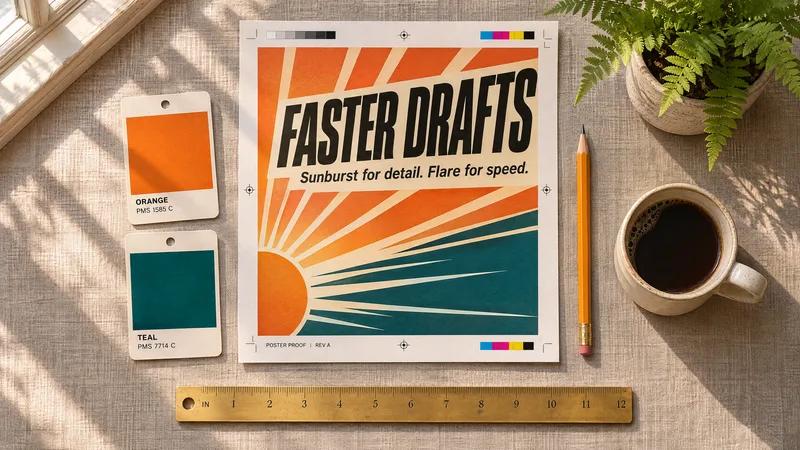

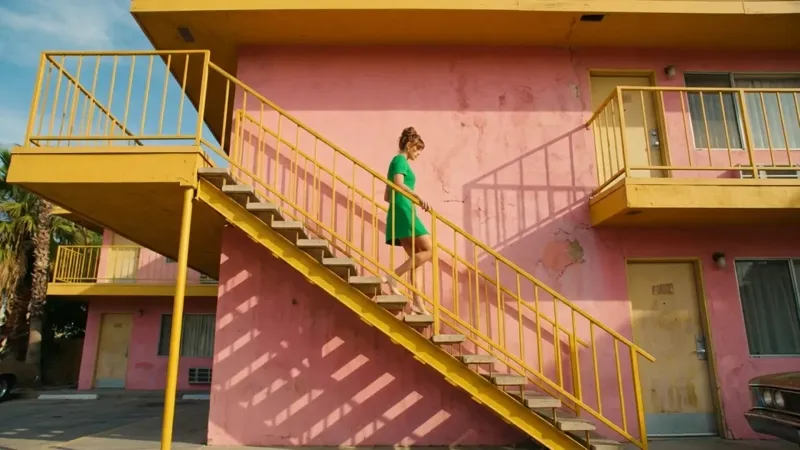
Kling 4.0 AI 影片作品範例
可靈 Kling 4.0 核心功能一覽
- Kling 4.0 一次生成 30 秒長影片:Kling 4.0 單次可生成 3 到 30 秒,一則提示詞就能裝下從鋪陳到收尾的完整段落,聲音與畫面同時生成。
- Kling 4.0 圖生影片,一張圖就能開拍:給 Kling 4.0 一張首幀圖,再寫清楚哪裡要動。原圖的構圖、人物與色彩就是影片的開場畫面。
- Kling 4.0 原生音訊,台詞與口型同步生成:Kling 4.0 的每段影片都附立體聲音軌。把台詞寫在引號裡,角色就會說出來,口型跟著台詞動。
- Kling 4.0 文生影片,兩句話就有真人入鏡:兩句提示詞就能生成自然的手持 vlog 鏡頭:人物、房間和對著鏡頭說話的樣子都由 Kling 4.0 補齊。
- Kling 4.0 人物表演與表情更真實:眼神、停頓和細微的表情變化都清楚可辨,整場戲就像真人在表演。
- Kling 4.0 運鏡控制,快節奏動作也跟得上:推鏡、拉鏡、搖鏡、跟拍和環繞鏡頭都很流暢,快節奏場景也不例外。
- Kling 4.0 首尾幀控制,定好開頭與結尾:放入首幀,需要的話再加尾幀。Kling 4.0 會補出兩幀之間的動作,讓產品、姿勢或結尾畫面準確落在你要的位置。
- Kling 4.0 長度、解析度與畫面比例設定:長度、解析度、畫面比例、輸入方式和提示詞上限,皆以生成器目前提供的為準。
- Kling 4.0 規格與功能:以下為可靈官方公布的完整版規格。官方標為「即將上線」的功能,這裡同樣標註。
Kling 4.0 一次生成 30 秒長影片
Kling 4.0 單次可生成 3 到 30 秒,一則提示詞就能裝下從鋪陳到收尾的完整段落,聲音與畫面同時生成。
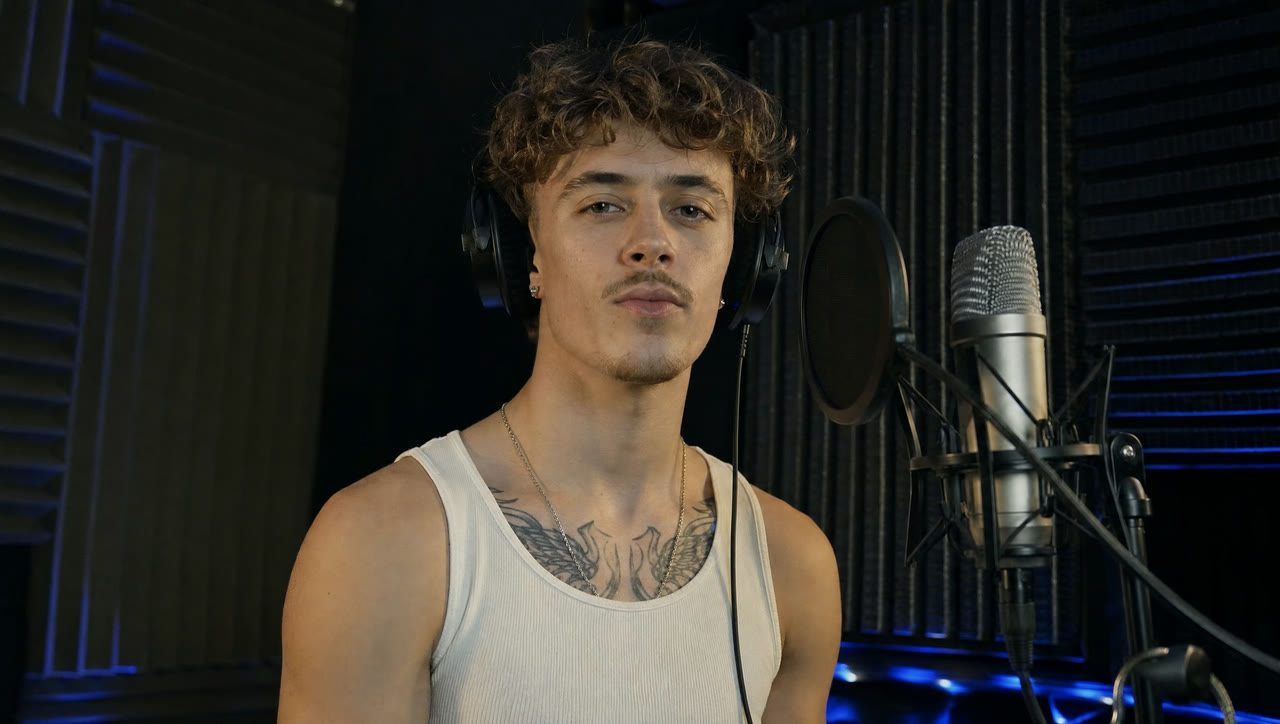
在 Kling 的這支發布示範中,唯一的輸入是一張首幀:錄音間裡,一位年輕男子站在麥克風前。Kling 4.0 把這個鏡頭完整維持了 30 秒,同時生成他的聲音和房間裡的環境音,口型也與音訊對上。
Kling 4.0 圖生影片,一張圖就能開拍
給 Kling 4.0 一張首幀圖,再寫清楚哪裡要動。原圖的構圖、人物與色彩就是影片的開場畫面。
Kling 發布這支示範時只附上首幀:一位女巫置身於紅線與古錢幣之間。Kling 4.0 把這張靜態圖片變成 15 秒大幅度、快節奏的動作,紅線狂舞、錢幣朝鏡頭飛來,而她的面容和服裝始終不變。

Kling 4.0 原生音訊,台詞與口型同步生成
Kling 4.0 的每段影片都附立體聲音軌。把台詞寫在引號裡,角色就會說出來,口型跟著台詞動。
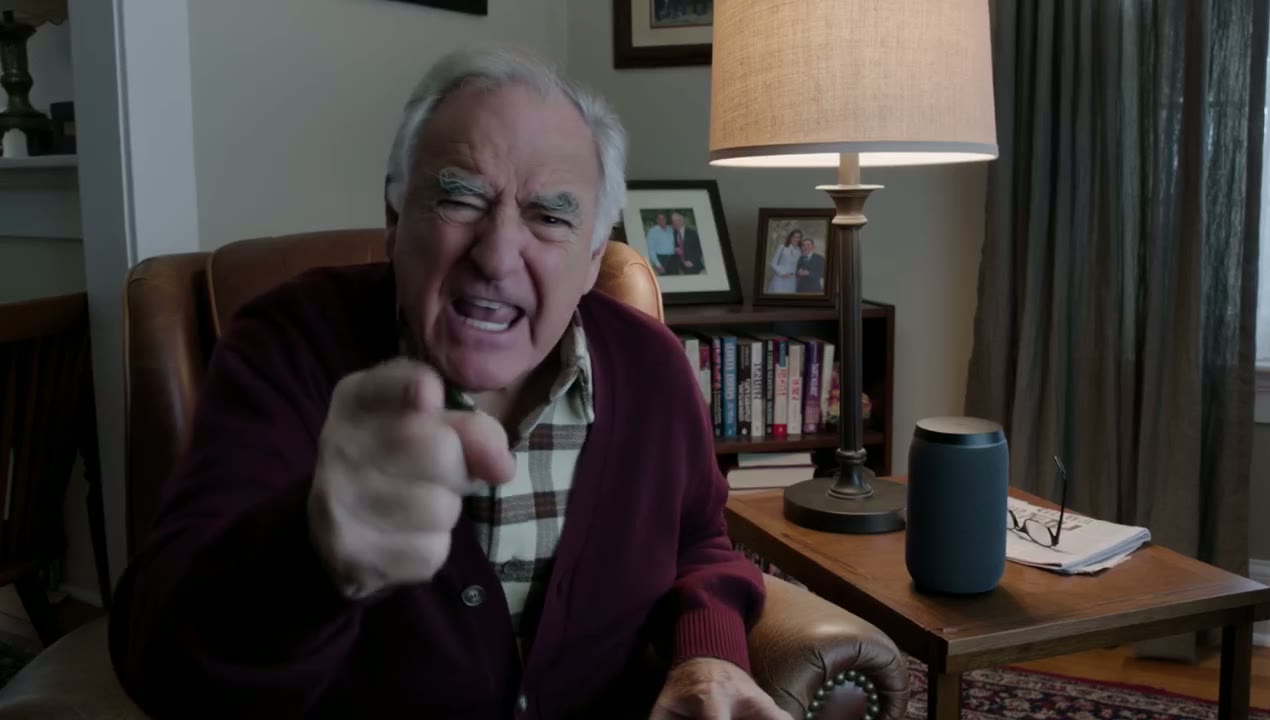
示範用的完整提示詞只有一句:「An old man ranting about AI.」人物形象、客廳布置和整段發牢騷的台詞,都由 Kling 4.0 自己決定。
 Kling 4.0
提示詞: An old man ranting about AI. (Kling 4.0 · 16:9 · 15s · 1080p)
Kling 4.0 文生影片,兩句話就有真人入鏡
兩句提示詞就能生成自然的手持 vlog 鏡頭:人物、房間和對著鏡頭說話的樣子都由 Kling 4.0 補齊。
示範提示詞只有兩句,要一位開朗的 vlogger 自我介紹;構圖、房間和她對著鏡頭說話的方式,都由 Kling 決定。
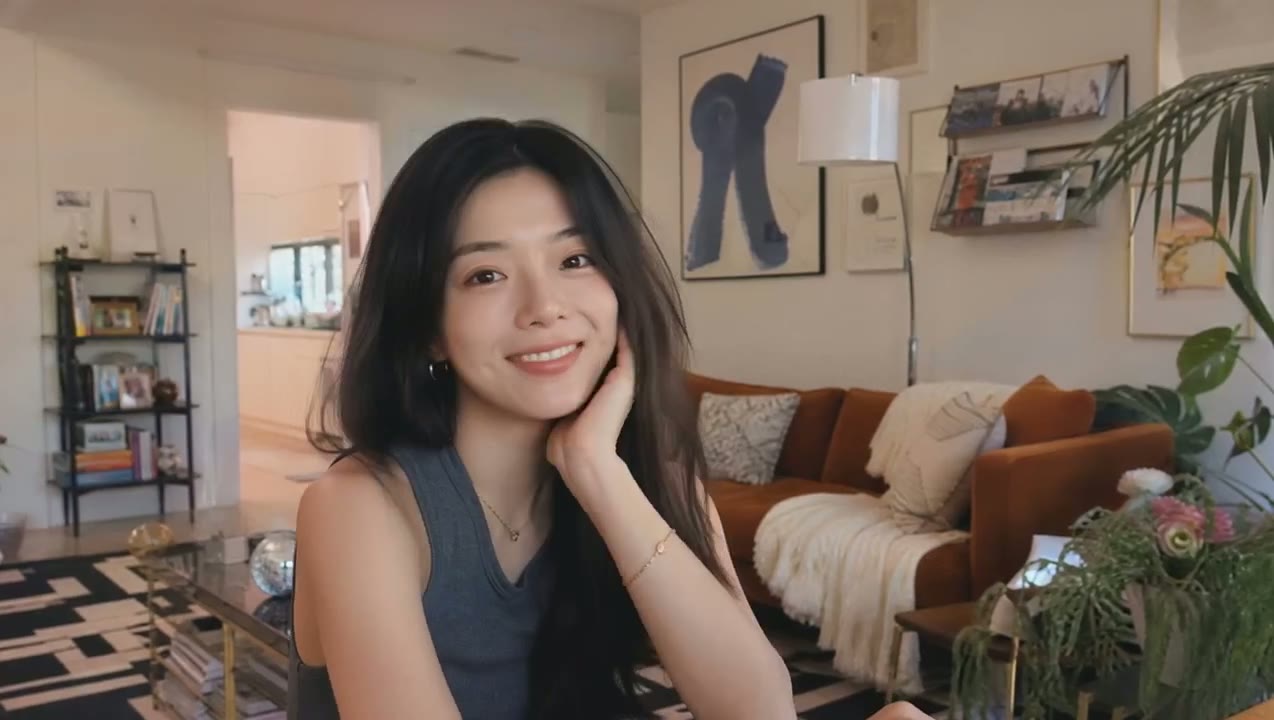 Kling 4.0
提示詞: A vlogger-style video in which the woman cheerfully introduces herself to the audience. Maintain a natural, authentic look and realistic image quality. (Kling 4.0 · 16:9 · 7s · 720p)
Kling 4.0 人物表演與表情更真實
Kling 4.0 更擅長那些讓人物顯得可信的細節:多停留一拍的眼神、開口前的遲疑、爭執出現轉折時姿態的變化。從第一幀到最後一幀,皮膚、光線和衣料都保持自然。
Kling 的示範只從一幀畫面開始:走廊裡,兩名女子正面對峙。11 秒的生成結果把這場衝突完整演了出來:其中一人轉身離開,畫面最後停在地上一件摔碎的東西上。
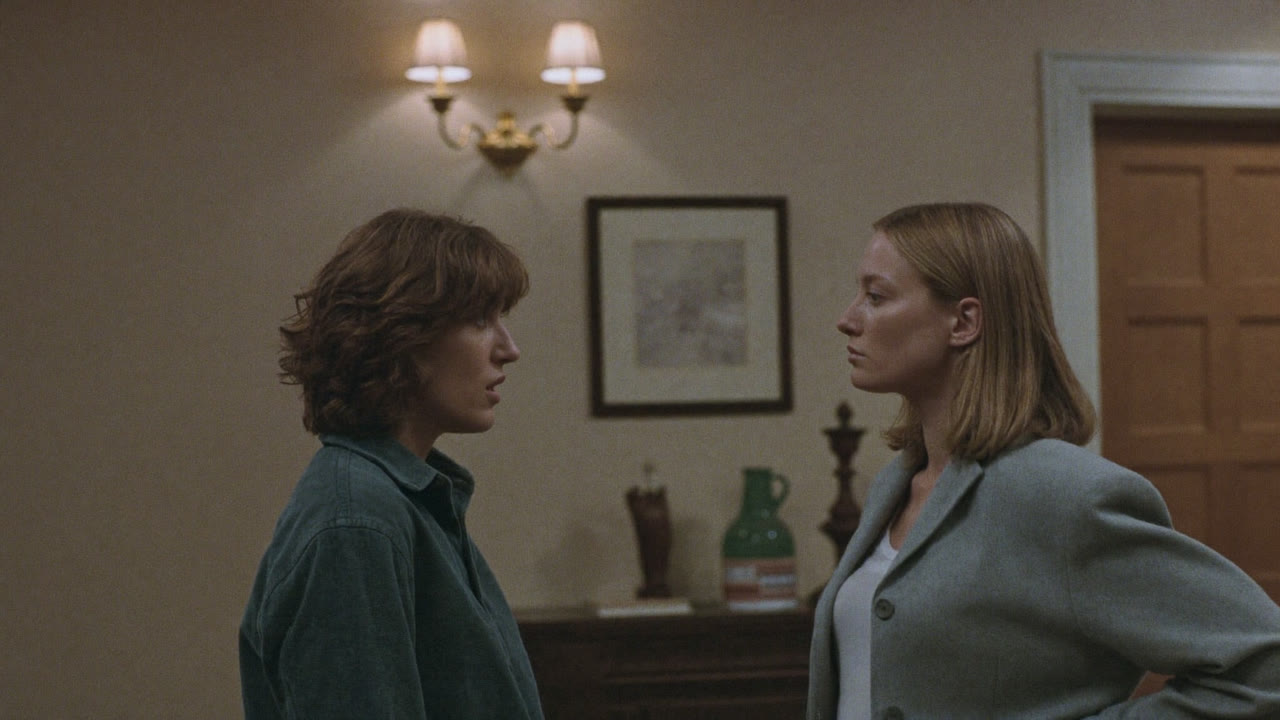
Kling 4.0 運鏡控制,快節奏動作也跟得上
在提示詞裡寫明運鏡方式,Kling 4.0 就會貫徹到底:推近一張臉、拉遠帶出整個房間、跟拍時與奔跑的人保持同速。景別變化、鏡頭切換都很俐落,畫面不晃動,人物也不會走樣。
在這支 10 秒的發布示範中,兩名跆拳道選手對練,鏡頭先貼近拍攝,再升到俯瞰墊子的頂視角度,又降回平視高度,每一次出擊和每一步都依然清晰。
Kling 4.0 首尾幀控制,定好開頭與結尾
放入首幀,需要的話再加尾幀。Kling 4.0 會補出兩幀之間的動作,讓產品、姿勢或結尾畫面準確落在你要的位置。
示範中,首幀是工作台上的幾塊粗鐵塊,尾幀是同一張工作台上一把完成的大劍。中間的 15 秒由 Kling 4.0 用六個鍛造鏡頭補齊。
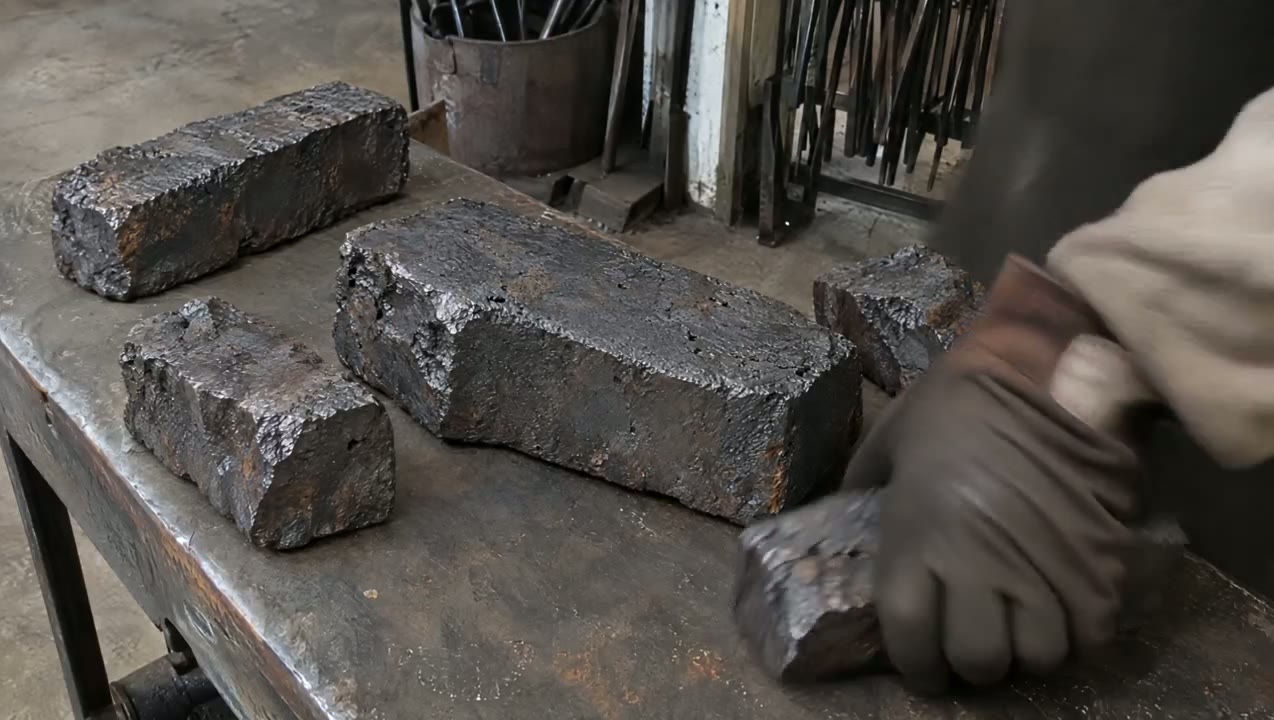
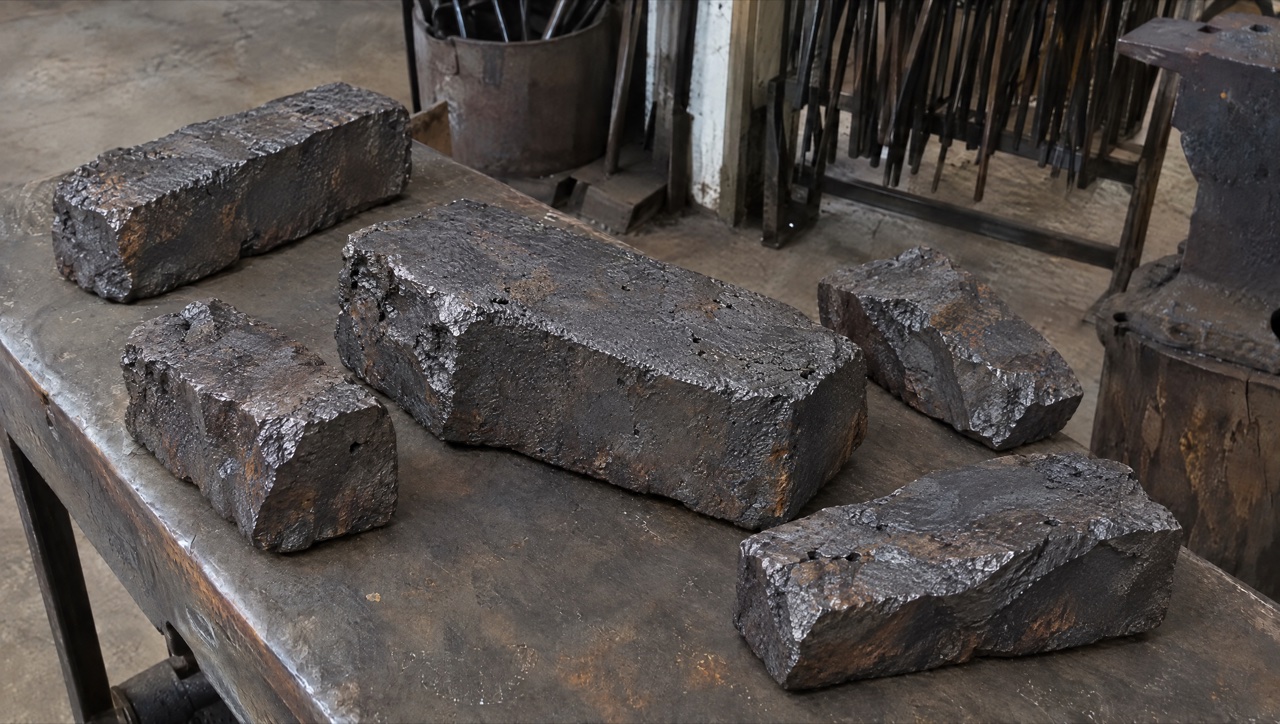
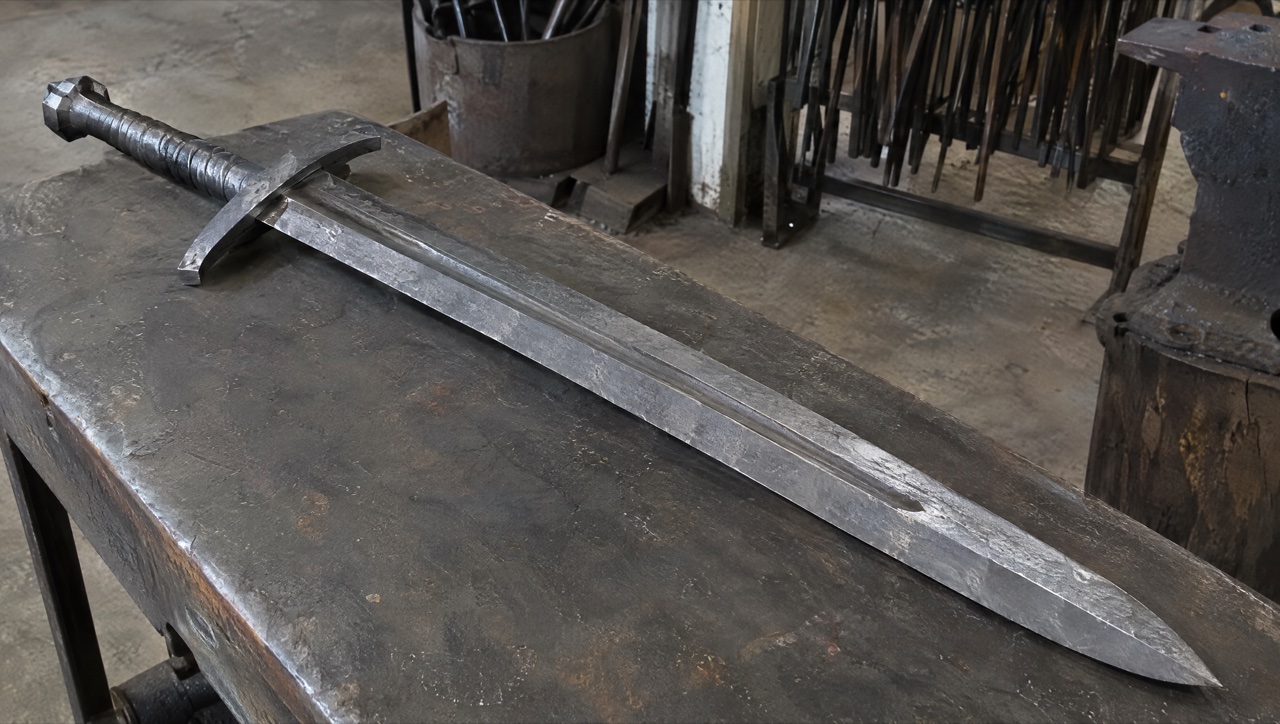 Kling 4.0
提示詞: SCENE CONTEXT EXACT 1 CHARACTER — NO DUPLICATES. Interior, a worn blacksmith workshop, daytime. The same blacksmith removes the raw material, works it into a greatsword, and returns the completed sword to the original table.15 seconds, six shots. Manufacturing time is compressed through editorial cuts; individual actions retain natural weight and speed. ACTIVE REFERENCES: @Image1: exact first-frame anchor. Preserve all five iron blocks, their arrangement, the tabletop, background tools, perspective, and lighting. This image is the starting state of an active pickup shot.@Image2: exact final-frame anchor and finished-sword design. Preserve the blade silhouette, central fuller, angular curved crossguard, spiral metal grip, faceted pommel, diagonal placement, perspective, and background. This composition is reached through a visible physical placement. LOCATION MAP: The worktable fills the foreground. The tool bucket stands behind its left-center edge, the rod rack occupies the rear right, and the anvil stands at the right. The blacksmith works from the left side of the table in both endpoint shots. The camera stays on the original viewer-facing side of the table. During blade-working inserts, the tang points screen-left and the tip points screen-right. The final sword position runs from the upper-left pommel to the lower-right tip. FIRST FRAME AND SPATIAL BLOCKING: At 0.0 seconds, the frame exactly matches the raw-material reference, with five iron blocks and no hands visible. The same blacksmith immediately reaches in from the left edge. Both gloved hands approach the largest central block from opposite ends, preparing a supported two-handed lift. The blacksmith wears soot-gray sleeves, brown leather gloves, and a narrow dark strap around the right cuff. These details remain identical throughout every shot. FORMAT MODE: 15 seconds total, six shots.Hard cuts at 3.0, 5.0, 8.0, 10.0, and 11.0 seconds. Cuts compress the omitted manufacturing work and bench clearing. The opening pickup and closing placement each play as continuous physical actions.No fades, dissolves, or object-morph transitions. OPTICS: Shots 1 and 6: reference-matched elevated three-quarter framing, approximately 63° diagonal field of view and approximately 1.8 meters from the tabletop center. Exact endpoint framing takes priority over estimated optical measurements. Shots 2–5: 40° diagonal field of view, approximately 0.8 meters from the working contact point. Focus follows the hands and metal contact; the workshop background remains softly readable. Each shot holds one fixed field of view. CAMERA: A real camera operator holds the camera from the viewer-facing side of the workspace. All shots use handheld SETTLE: visible breathing sway, slight roll, and small delayed corrections. The opening camera holds its position while the iron block leaves the frame. The closing camera holds the empty tabletop composition while the sword enters, then settles into the exact final reference. The blacksmith is the only visible worker; the camera operator remains outside the image. ACTION TIMING: 0.0–3.0s — TAKE THE IRON. Start on the exact first reference; during 0.0–0.6s, the blacksmith’s matching gloved hands enter from screen-left and grip opposite ends of the largest central block. During 0.6–1.5s, the wrists brace and both hands lift the block clear of the tabletop, exposing the patch of table beneath it. During 1.5–3.0s, the blacksmith carries the supported block out through screen-left; the other four blocks remain resting on the table through the cut.3.0–5.0s — HEAT THE STOCK. Hard cut forward in time to one thick billet already glowing orange among forge coals. The same gray sleeves, brown gloves, and right-cuff strap appear at screen-left as the blacksmith holds long tongs around the billet. A short controlled pull draws the billet toward the forge mouth, with heat shimmer rising above its scaled surface.5.0–8.0s — FORGE THE BLADE. Hard cut forward to an elongated orange-hot blade blank supported on the anvil, tang left and emerging tip right. The same blacksmith braces the tang with left-hand tongs and delivers three deliberate right-hand hammer strikes along the blade flat. Each strike produces local compression, wrist recoil, and a brief scatter of dark scale.8.0–10.0s — FINISH THE METAL. Hard cut forward to a cooled blade with its fuller already formed, held by the same gloved hands against an abrasive wheel. The blacksmith makes one controlled finishing pass along the bevel. A narrow stream of sparks falls from the actual contact point as a brighter strip of metal appears.10.0–11.0s — COMPLETE THE HILT. Hard cut forward to the nearly finished sword supported on a separate assembly bench, its crossguard and spiral metal grip already fitted. The same blacksmith’s left hand braces the grip while the right hand gives the faceted pommel its final tightening turn. The completed sword now has the exact construction and finish required for the final image.11.0–15.0s — PLACE THE FINISHED SWORD.Hard cut to the original worktable, now completely clear; show its empty surface for 0.4 seconds before the same gloved hands carry the completed sword in from screen-left, one hand around the grip and the other supporting the blade flat near its balance point. From 11.4–13.8s, the blacksmith lowers the entire rigid sword diagonally, hilt toward upper-left and tip toward lower-right, easing it onto the tabletop and sliding the supporting hand free as its weight transfers to the table. From 13.8–15.0s, both hands release and withdraw through screen-left; the sword remains motionless in the exact final-reference position as the camera settles onto the final frame. PHYSICS: The raw block retains its shape and mass throughout the pickup. Both hands support it continuously; the forearms tense and the lift accelerates slowly under its weight. The anvil supports the hot blade during forging. Large changes of shape occur across editorial time jumps. The completed sword remains rigid during carrying and placement. The blade-supporting hand has visible clearance to slide free as the sword settles; the hand never passes through the blade or tabletop. Metal contact produces a short scrape and a low, heavy clink, followed by stillness. The same blacksmith clears the remaining raw stock during omitted time before the final shot. LIGHTING: The original table shots use soft daylight from upper camera-left, matching both references. Retain dark detail in the iron and protect the silver blade highlights. The forge insert uses orange coal glow from below-left as its dominant source. Return to the original neutral daylight before the sword enters the final tabletop shot. AUDIO: Quiet workshop air and distant furnace draft form the ambient bed. Opening: leather creaks, a brief iron scrape, and a restrained exertion breath as the heavy block rises.Middle: forge crackle, tong contact, three synchronized hammer impacts, abrasive scraping, and a short fitting sound.Ending: sleeve movement, glove friction against metal, a weighted sword-to-table clink, then quiet workshop ambience. The blacksmith speaks no dialogue.SFX only, no music, no score, no song, no soundtrack. CHARACTER ACTING: One consistent blacksmith performs every visible action. Soot-gray sleeves, brown leather gloves, and the dark right-cuff strap remain unchanged. Hands work deliberately: brace before lifting, maintain firm tool contact, and reduce speed before lowering the finished sword. The physical rhythm shifts from effort during the raw-block pickup to careful control during the final placement. The face and torso remain outside the crop. STYLE: Grounded workshop documentary with tactile iron, worn tools, and convincing manual labor.Soft old-photograph texture, restrained grain, and natural motion blur; no digital sharpening. Charcoal metal and muted brown surfaces dominate, with silver highlights and localized forge orange. The first and last frames preserve the supplied images’ appearance. QUALITY: Maintain consistent hands, gloves, sleeve details, metal geometry, and contact shadows. The lifted block reveals the tabletop underneath it. The closing shot visibly establishes the empty tabletop before the sword enters. Keep the full final sword readable, including its tip, guard, grip, and pommel. Avoid duplicate limbs, flickering geometry, and intersecting solid surfaces. POSITIVE CONSTRAINTS: The first frame contains exactly five iron blocks. The largest central block physically leaves the table in the same blacksmith’s two hands. The final shot begins with an empty table. The completed sword enters while visibly supported by that same blacksmith, contacts the tabletop, and remains after both hands withdraw. The last frame matches the finished-sword reference exactly. The opening pickup and final placement each remain continuous, with visible hand-object contact. Exactly one finished sword is present.No text overlays, subtitles, or music. (Kling 4.0 · 16:9 · 15s · 1080p)
Kling 4.0 長度、解析度與畫面比例設定
Kling 公布的功能比本站目前開放的更多。以下是生成器為 Kling 4.0 實際提供的設定,照著它們規劃,就都能生成出來。
| 長度 | 3 到 30 秒預設 5 秒。 |
|---|---|
| 解析度 | 720p 或 1080p預設 720p。 |
| 畫面比例 | 16:9、9:16、1:1 或 21:9使用首幀時,影片會沿用你圖片的比例。 |
| 輸入 | 文字、首幀,或首幀加尾幀Kling 的多關鍵影格、參考和編輯模式本站尚未開放。 |
| 提示詞 | 最多 2,500 字元 |
| 聲音 | 一律開啟每支影片都包含立體聲的人聲、音效和環境音;沒有關閉聲音的開關。 |
| 點數 | 按秒計費費率依解析度而定。開始生成前,生成器會顯示總費用;下方價格表列出了常見長度的費用。 |
Kling 4.0 規格與功能
以下為可靈官方公布的完整版規格。官方標為「即將上線」的功能,這裡同樣標註。
| 發布時間 | Kling 4.0 Flash 於 2026 年 9 月 28 日向部分使用者開放搶先體驗;Kling 4.0 完整版於 2026 年 10 月 15 日全面上線。 |
|---|---|
| 模式 | 文字生成影片、圖片生成影片、首尾影格、多關鍵影格、全能參考(Omni Reference)和影片編輯。 |
| 單支長度 | 單次生成 3 到 30 秒。 |
| 關鍵影格 | 最多 10 張關鍵影格圖,用來鎖定角色狀態、場景變化和劇情節點。 |
| 參考素材 | 每次最多 15 個:圖片最多 10 張、影片最多 5 段(合計 30 秒)、主體最多 7 個,主體可附帶聲音參考。 |
| 解析度 | 720p、1080p 和 4K。1080p 與 4K 的 10-bit HDR 官方標為即將上線。 |
| 畫面比例 | 21:9、16:9、1:1、9:16 和自動。 |
| 音訊 | 雙聲道立體聲,支援對嘴同步;對白支援中文、英文、日語、韓語、西班牙語、葡萄牙語、德語、法語等,並支援台灣腔、粵語、四川話等方言口音。 |
| 提示詞長度 | 最多 8,000 tokens。 |
| 影片續寫 | 多次續寫,最長 2 分鐘——官方標為即將上線。 |
Kling 4.0 適用情境
長鏡頭一鏡到底、首尾鎖定的鏡頭,以及用短提示詞生成的對白場景。
- 30 秒一鏡到底:一支長鏡頭——走位、追逐、產品揭曉——不用把兩段接在一起。
- 首尾都鎖定的鏡頭:首幀和尾幀定下畫面從哪裡開始、停在哪裡,中間的動作由 Kling 4.0 補齊。
- 人物講話與對白短片:一兩行提示詞,就能變成自然的說話場景,搭配對嘴同步的立體聲。
- 多語言對白:立體聲加對嘴同步,畫面裡的文字在運鏡時也保持清晰。
Kling 4.0 vs Seedance 2.5、Kling 3.0、Veo 3.1 和 Wan 3.0
除最後一列外,每一格都來自 SeedVideo AI 上各模型的即時設定,與生成器目前可選的選項一致。
同一個點子想換個模型再試試?AI 影片生成器 裡 Kling 4.0 與 Seedance、Kling、Veo、Wan 並列可選,用手上現有的點數就能把同一段提示詞換到其他模型上重新生成。
| 項目 |  Kling 4.0 | Kling 4.0 Flash |  Seedance 2.5 | Kling 3.0 |  Veo 3.1 Fast |  Wan 3.0 |
|---|---|---|---|---|---|---|
| 最長時長 | 30 秒 | 20 秒 | 30 秒 | 15 秒 | 8 秒 | 30 秒 |
| 最高解析度 | 1080p | 720p | 1080p | 4K | 4K | 1080p |
| 畫面比例 | 16:9, 9:16, 1:1, 21:9 | 16:9, 9:16, 1:1, 21:9 | 16:9, 9:16, 1:1, 4:3, 3:4, 21:9 | 16:9, 9:16, 1:1 | 16:9, 9:16 | 16:9, 9:16, 1:1, 4:3, 3:4 |
| 參考圖片 | 不支援 | 不支援 | 30 | 不支援 | 不支援 | 10 |
| 參考影片 | 不支援 | 不支援 | 10 | 不支援 | 不支援 | 5 |
| 編輯與延長影片 | 不支援 | 不支援 | 支援 | 不支援 | 不支援 | 不支援 |
| 5 秒 720p 所需點數 | 24 點 | 14 點 | 31 點 | 13 點 | 15 點 | 12 點 |
| 最適合 | 最長 30 秒、附立體聲,可從文字或首幀生成 | 更快更省的 720p 草稿,最長 20 秒 | 多參考素材、原生聲音的長篇多鏡頭影片 | 更便宜、最長 15 秒的 Kling 影片 | 附聲音的寫實短鏡頭 | 預算較低的長鏡頭 |
點數為用點數包生成一支 5 秒 720p 影片的費率;訂閱方案每秒更便宜。
Kling 4.0 優缺點
它目前在 SeedVideo AI 上表現好的地方,以及需要變通處理的地方。
優勢
- 長度:單次生成 3 到 30 秒任選。
- 聲音:每支影片都附立體聲音軌,人聲與畫面對嘴同步。
- 畫面控制:用首幀,再加上可選的尾幀,鎖定鏡頭的起點和終點。
- 短提示詞:一兩句想法往往就足以生成自然可信的場景。
限制
- 本站可用模式:目前只有文字生成影片和首尾幀;Kling 的多關鍵影格和參考模式本站尚未開放。
- 無法關閉聲音:聲音無法關閉;如果要自己配樂,請在生成後靜音。
- 生成時間:比大多數模型慢:一支 3 秒測試影片花了約三分鐘。
- 提示詞長度:輸入框最多接受 2,500 字元的提示詞,太長的說明需要刪減。
Kling 4.0 的費用與上手方式
Kling 4.0 使用教學:4 步生成影片
- 第 1 步
選擇 Kling 4.0
開啟本頁輸入框或完整生成器,在模型選單的 Kling 分類下選擇 Kling 4.0。
- 第 2 步
寫清劇情節點
先寫動的東西和時間點:主體、動作、運鏡,以及每個節點落在哪一刻。在這裡提示詞最多可寫 2,500 字元。
- 第 3 步
需要的話,加一張首幀
上傳首幀,鏡頭就從你的圖片開始;想固定結尾畫面,再加一張尾幀。
- 第 4 步
選長度,然後送出
在 3 到 30 秒之間選長度,選好畫面比例,確認點數報價後送出。
Kling 4.0 提示詞範例
以下提示詞出自 Kling AI 隨 Kling 4.0 範例公開的原文,每則旁邊就是它生成的影片;較長的鐵匠提示詞在這裡做了刪減。載入生成器後,再換成你自己的主體、場景或長度。首尾幀那則提示詞需要你自己的首幀和尾幀。
老友黃昏重逢
文字生成影片 · 7 秒A continuous 7-second shot set in the UK. Two friends who have not seen each other for a long time meet at the corner of a quiet street at dusk, surrounded by a diverse crowd going about their daily lives. They smile, walk quickly toward each other, and share a warm embrace. Their facial expressions and body movements are natural. A handheld camera follows them with subtle camera shake. Soft, warm lighting with a nostalgic cinematic film look. Include natural footsteps, street ambience, background music, and English dialogue.
來源:Kling AI
試試這則提示詞從鐵塊到大劍
首幀 + 尾幀 · 15 秒Interior, a worn blacksmith workshop, daytime. The same blacksmith removes the raw material, works it into a greatsword, and returns the completed sword to the original table. 15 seconds, six shots, hard cuts at 3.0, 5.0, 8.0, 10.0 and 11.0 seconds. First frame: exactly five iron blocks on the worktable, no hands visible. Last frame: the finished sword lying diagonally on the same table. 0.0–3.0s — TAKE THE IRON: both gloved hands lift the largest central block and carry it out through screen-left. 3.0–5.0s — HEAT THE STOCK: one thick billet glowing orange among forge coals. 5.0–8.0s — FORGE THE BLADE: three deliberate hammer strikes along the orange-hot blade on the anvil. 8.0–10.0s — FINISH THE METAL: one finishing pass on an abrasive wheel, sparks falling from the contact point. 10.0–11.0s — COMPLETE THE HILT: the final tightening turn of the faceted pommel. 11.0–15.0s — PLACE THE FINISHED SWORD: the empty table, then the sword carried in and lowered into the exact final position. Handheld camera, soft daylight from upper camera-left, orange coal glow in the forge shot. AUDIO: workshop air, forge crackle, three synchronized hammer impacts, a weighted sword-to-table clink. SFX only, no music. No text overlays or subtitles.
來源:Kling AI
試試這則提示詞