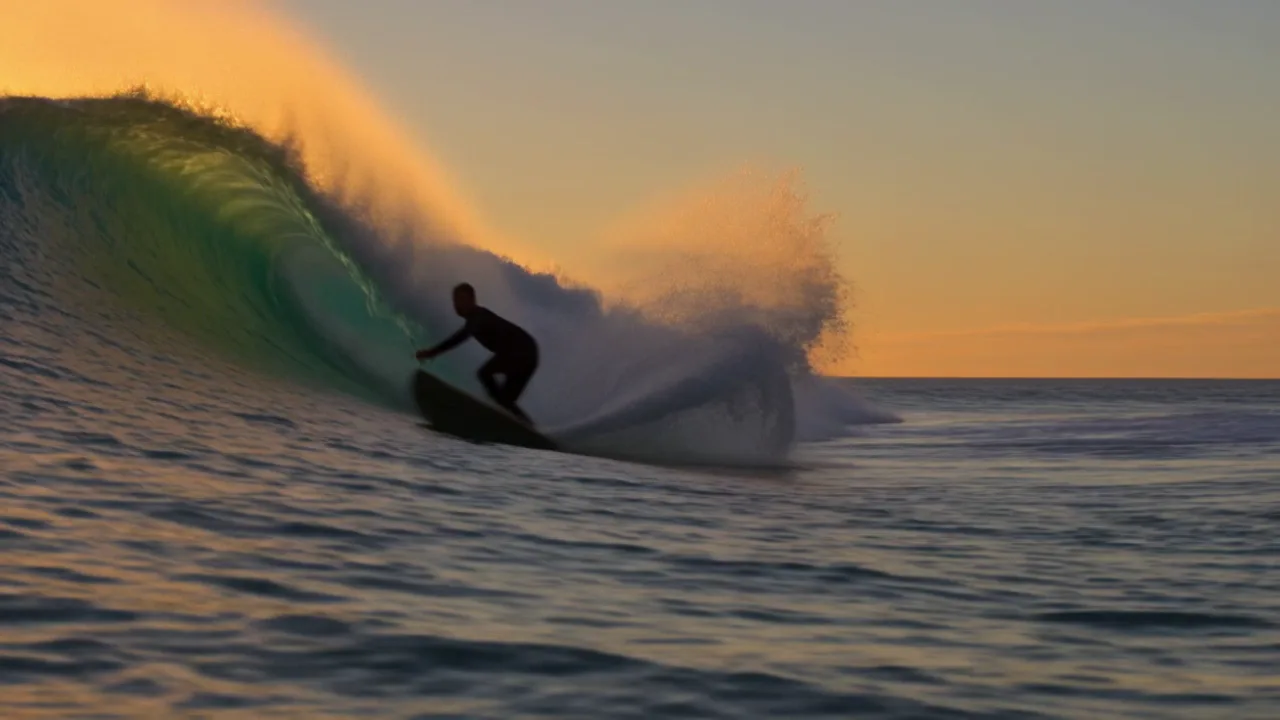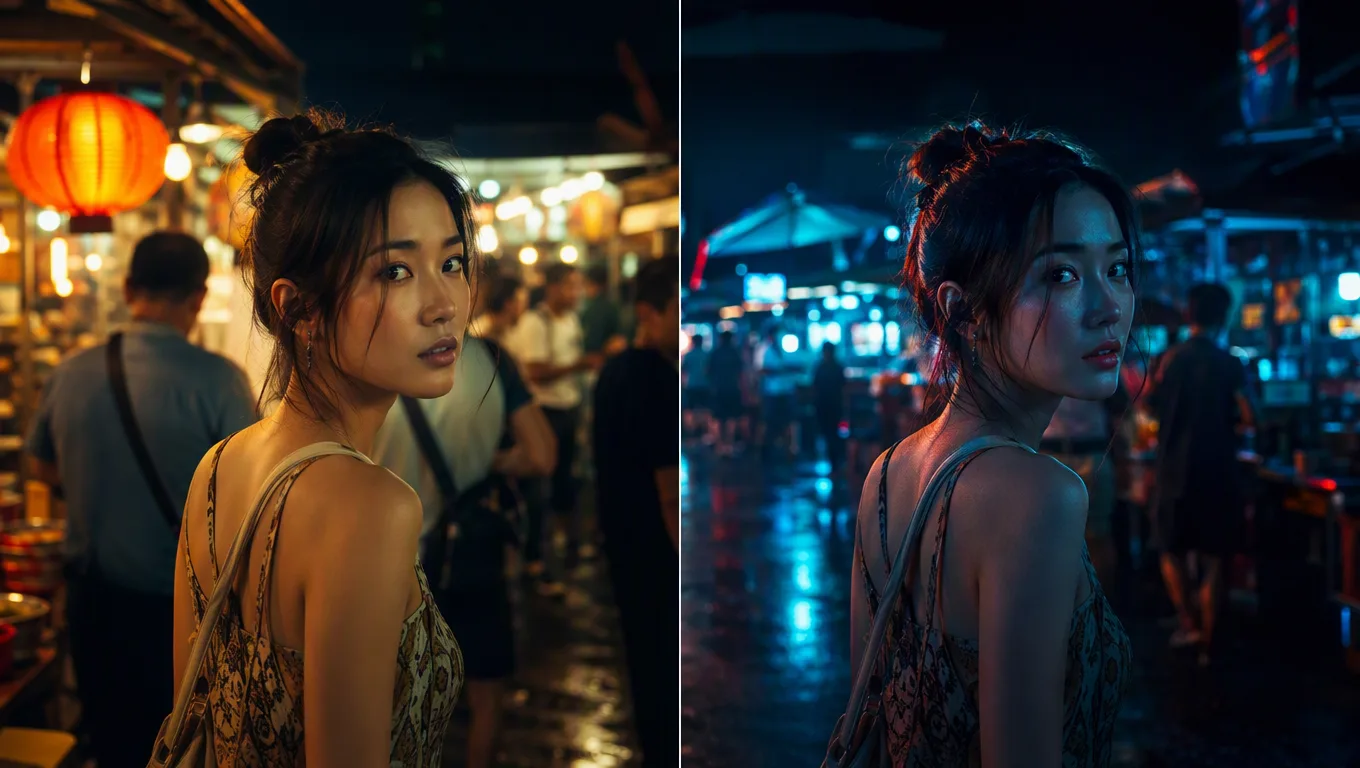
MAGI-2 is the flagship video model from Sand.ai, released on November 24, 2026. It generates up to 30 seconds of 1080p video at 25 frames per second, with sound made in the same pass: dialogue with matching lip movement, footsteps and other effects, room tone and music. It is a mixture-of-experts model with 480B total parameters, about 28B of them active per token, and Sand.ai trained it on roughly 4T tokens of data.
Three things set it apart from most video models. One generation can run a full 30-second take. A single request can combine up to 20 references across images, video and audio. And it follows timing written into the prompt, so shots start and cut when the script says. This guide covers what MAGI-2 does, how it differs from the MAGI-2 Preview released in August, what Sand.ai's API allows and charges, where the model still falls short, and how it compares with other models you may already use.
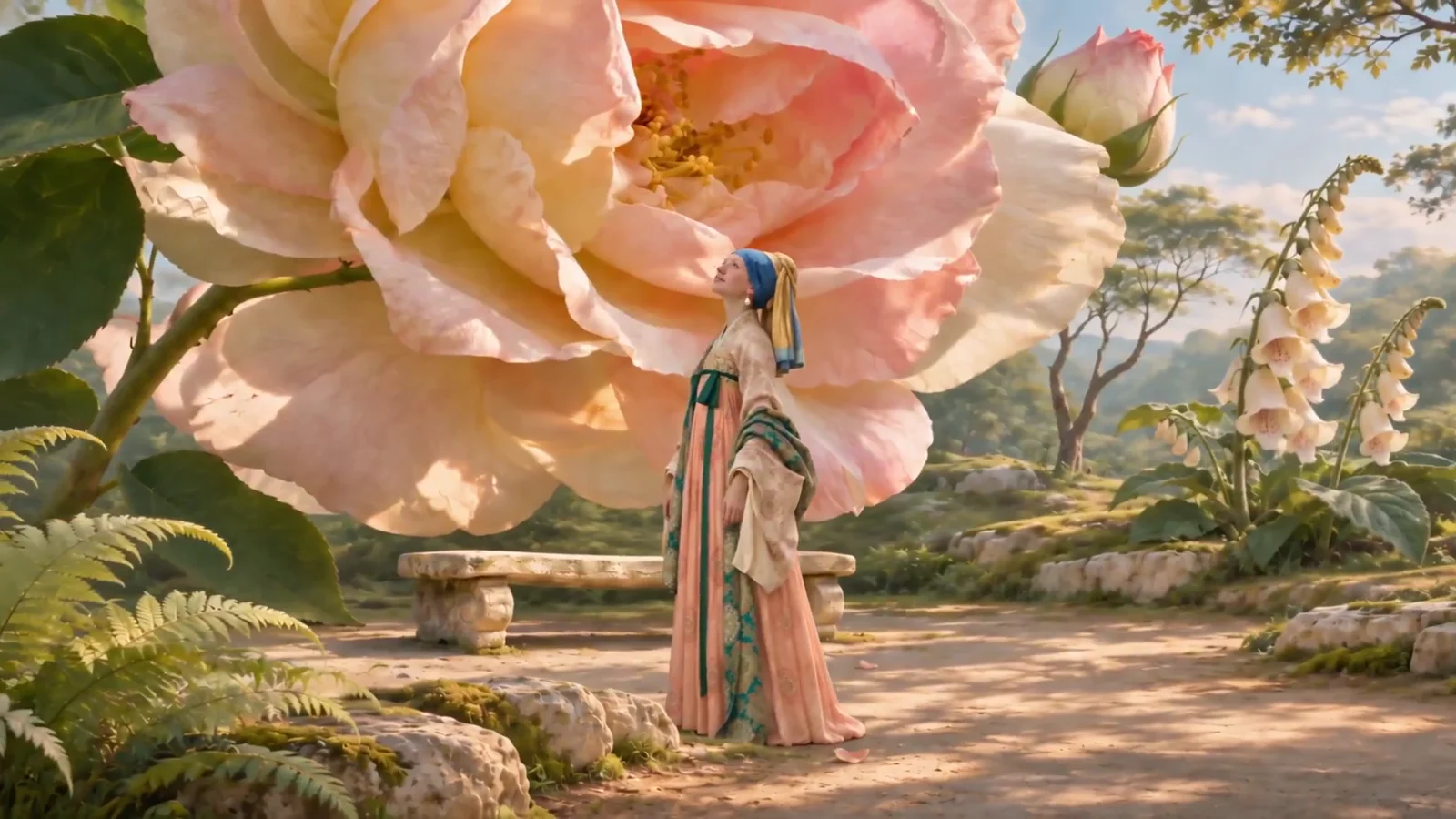
Last verified: 2026-11-24. Specs and samples come from Sand.ai's MAGI-2 launch post; API limits and prices come from the Sand.ai API documentation on the same day.
Quick Answer
Is MAGI-2 open source? Not yet. Sand.ai says the open-source release and a technical report will follow; only the smaller MAGI-2 Preview is available as open weights today, under Apache 2.0.
How long can one MAGI-2 clip be? Up to 30 seconds in a single generation, at 1080p and 25 fps, in one of six aspect ratios.
What does MAGI-2 cost through Sand.ai's API? $0.08 per second of 1080p video, which is $0.80 for a 10-second clip and $2.40 for a full 30 seconds.
Is it a big step up from MAGI-2 Preview? Yes, by Sand.ai's own numbers: its four-task average Elo on Artificial Analysis Video Arena v2.1 rose from 998.5 for the Preview to 1150.3.
What MAGI-2 is, and how it differs from MAGI-2 Preview
Sand.ai released MAGI-2 in two steps. MAGI-2 Preview came out in August 2026 as a research release with open weights. MAGI-2, launched three months later, is the full-scale model built on the same architecture: a single-stream transformer that reads text, video and audio tokens in one sequence, with a Multi-Head Latent mixture-of-experts layer that keeps only a small slice of the network active for each token.
| MAGI-2 Preview (August 2026) | MAGI-2 (November 2026) | |
|---|---|---|
| Total parameters | About 114B | 480B |
| Active parameters | About 6B | About 28B |
| Pre-training data | Baseline | About 3× more, roughly 4T tokens |
| Clip length | 10 seconds only | Up to 30 seconds |
| Output | 1080p with generated sound | 1080p at 25 fps with generated sound |
| Inputs | A text prompt, or a prompt plus one image | Up to 20 references: 10 images, 5 videos, 5 audio clips |
| Timeline and cut control | Not listed | Yes |
| Video editing | Not listed | Yes |
| Weights | Open, Apache 2.0 | Not released yet |
| Artificial Analysis Video Arena v2.1, four-task average Elo | 998.5 | 1150.3 |
The Elo figure is the average of four arena tasks (image to video with and without sound, text to video with and without sound), as reported by Sand.ai. The Preview's model card says it needs at least eight NVIDIA Hopper GPUs to run, so even its open weights are a data-center download rather than a desktop one.
MAGI-2 features, shown in Sand.ai's own clips
Every clip below comes from Sand.ai's MAGI-2 launch post. They play muted here; the painting walk, the flower gardens and the boat dialogue were published with sound.
One 30-second take across five painting styles
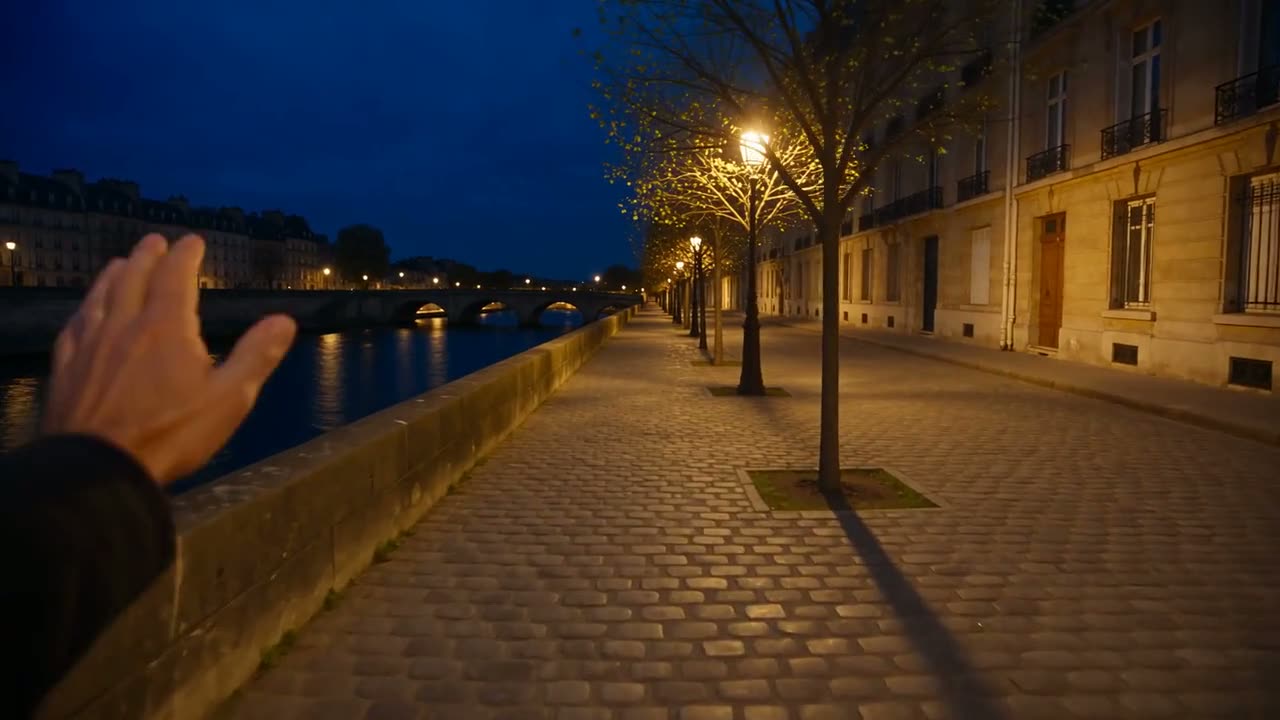
Sand.ai conditioned this clip on five classic paintings, including The Starry Night, Water Lilies and A Sunday Afternoon on the Island of La Grande Jatte. The camera walks along a river at night in Van Gogh's brushwork, and the same continuous take moves through a dotted Seurat promenade, Monet's pond and a gold-leaf garden without a cut. It shows the two things a 30-second limit is for: holding one shot together, and letting the scene change inside it.
Omni-reference: one character, three locations
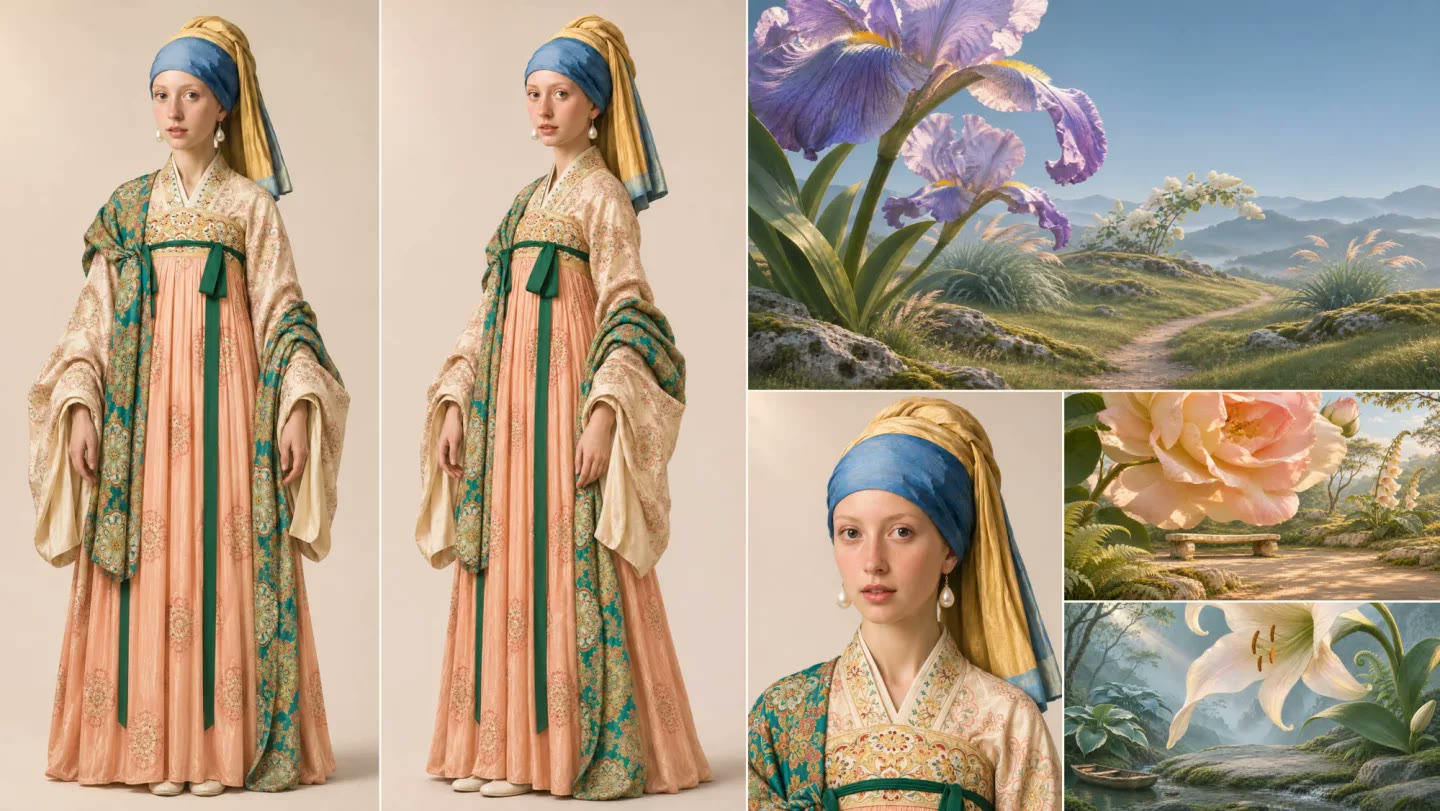
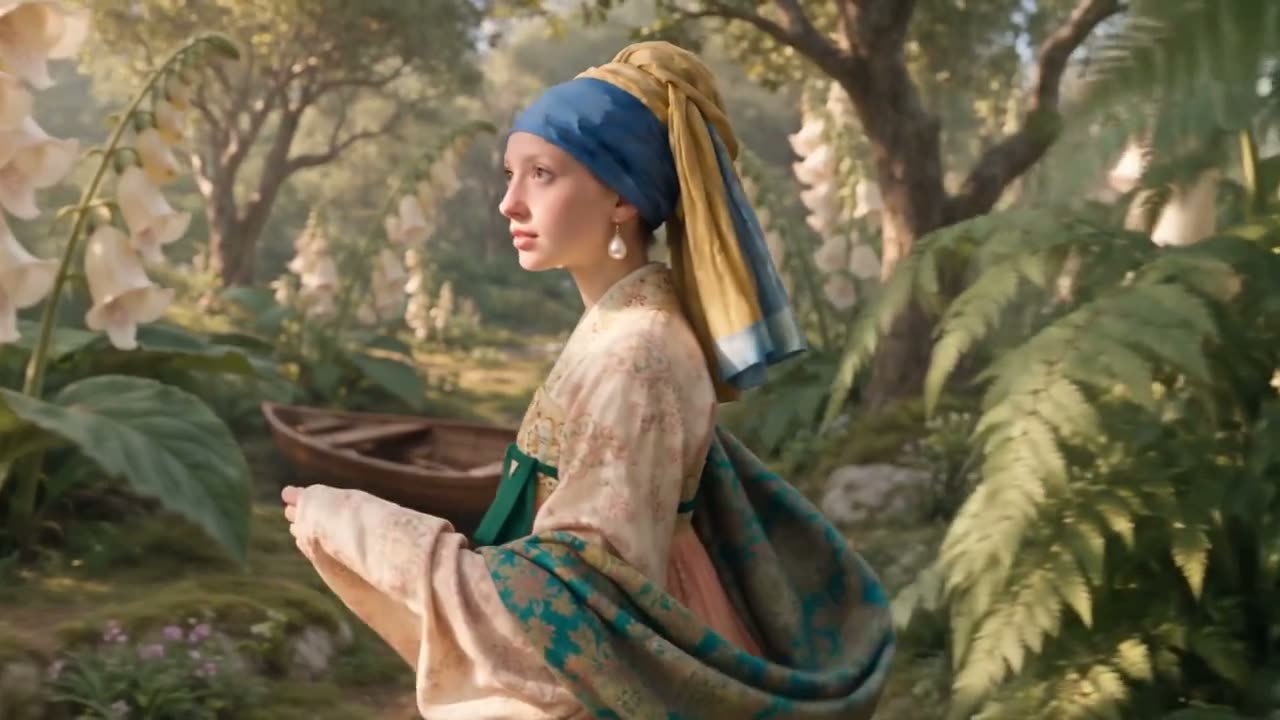
Here the reference board on the left fixed one character and her robes, plus three settings: an iris hillside, a pink rose garden and a lily valley. The clip on the right alternates close-ups, low-angle views from under the flowers and wide shots, and passes from one garden to the next behind leaves and petals. Her face, headscarf and clothing stay the same in every shot. In Sand.ai's API a request can carry up to 10 images, 5 video clips and 5 audio clips this way.
Multi-shot scenes with timed cuts
MAGI-2 follows script-level timing: when each shot starts, how long it lasts, and whether a cut falls on an action or at a timestamp. Sand.ai says all 16 cut points it specified in its timeline test landed on target. This 28-second scene from the launch post cuts between a clockwork robot winding a music box on an attic desk, a cat jumping up beside it and a boy asleep across the room, and the lamp, the window and the robot's dents stay put from shot to shot.

Dialogue, sound and shots the model plans itself
Picture and sound come out of the same backbone, so a spoken line arrives with the lip movement that goes with it, and effects land on the frame where they happen. Sand.ai published this boat dialogue between Lu Su and Zhuge Liang from MAGI-2's pre-trained checkpoint, with prompt rewriting turned off. It was given only the characters, the boat and three story beats, with no framing, camera angles or cut points. The model chose the wide establishing shot, the two-shot across the tea table and the close-up by itself.
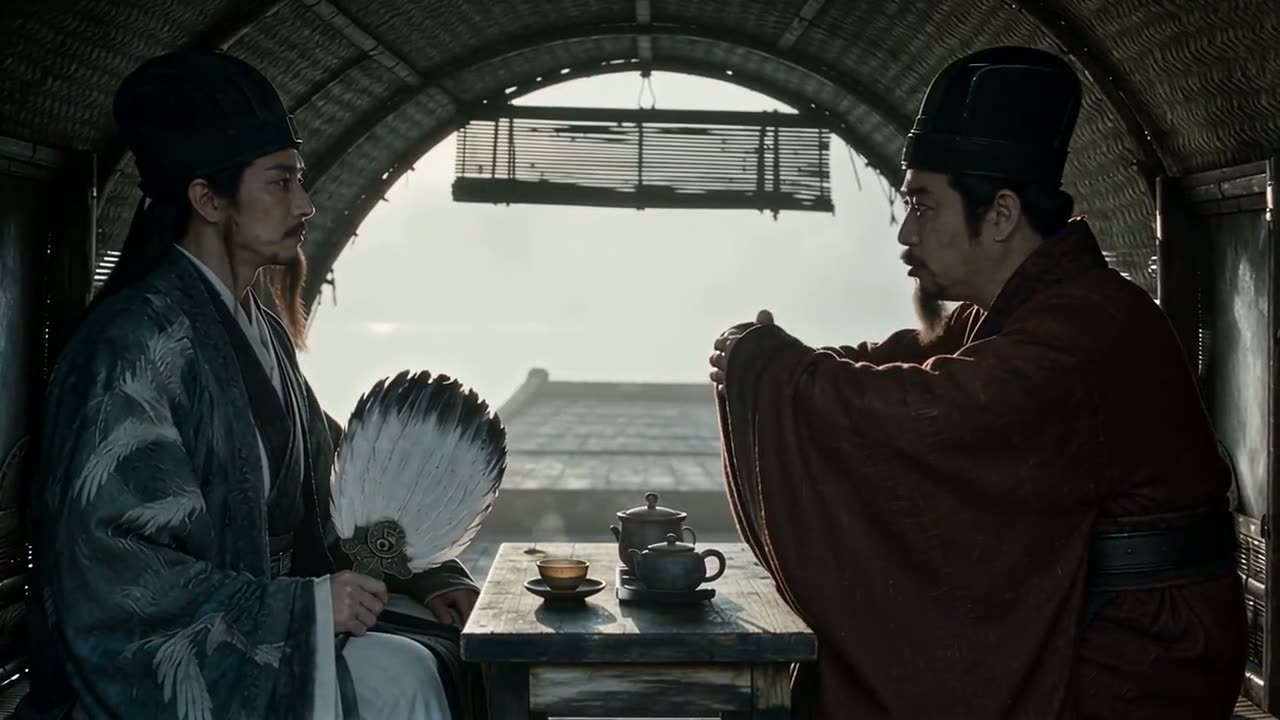
Sand.ai also notes that some of what the pre-trained checkpoint did, such as filling in story beats on its own and switching a character's dialogue into another language, became harder to get after the aesthetics-focused fine-tuning. The released model looks more polished, but expect to spell out more of the plan in the prompt.
1080p at 25 fps, in six aspect ratios
Every MAGI-2 clip renders at 1080p and 25 frames per second, and there is no lower-resolution tier, so a test take is already a usable cut. This 30-second sunrise on a mountain lake is from the same launch post: mist lifting off the water, light moving across the peaks, the paddle cutting the reflection and a loon passing the canoe.

MAGI-2 API limits and price per clip
Sand.ai sells MAGI-2 through its own API platform under the model name magi-2. These are the limits and prices in its documentation as of November 24, 2026, several of which are easy to miss:
| Setting | MAGI-2 API value |
|---|---|
| Resolution | 1080p only |
| Price | $0.08 per second of output |
| Length | Whole seconds, up to 30 |
| Aspect ratio | Any width:height, such as 16:9 or 9:16 |
| Sound | On by default (generateAudio) |
| Prompt | Up to 15,000 characters |
| Reference images | Up to 10 per request |
| Reference videos | Up to 5, each 2–30 seconds, 30 seconds combined |
| Reference audio | Up to 5 clips, 30 seconds combined |
| First and last frame | Through the separate Ark-compatible endpoint, not the native one |
| Rate limits | 20 create requests per minute, 5 generations at once by default |
Two notes for anyone building on it. Creating a generation is not idempotent: if a request times out and you send it again, you can end up paying for two clips, so check the first one before retrying. And on launch day the platform did not accept top-ups yet; Sand.ai pointed buyers to its X account for the start date.
At $0.08 per second the cost is simple to work out:
| Clip length | Sand.ai API price at 1080p |
|---|---|
| 5 s | $0.40 |
| 10 s | $0.80 |
| 15 s | $1.20 |
| 30 s | $2.40 |
Where MAGI-2 still falls short
Sand.ai lists the model's weak spots itself, and a few more follow from how it is offered:
- Very fast motion. Extreme high-speed action can still produce trajectory or continuity glitches.
- 2D animation in medium and wide shots can look too smooth in fine local motion.
- Busy soundscapes have less layering and physical realism than simple ones.
- No cheap draft resolution. Every clip is 1080p, so iterating on a prompt costs the full rate each time.
- No open weights yet for the 480B model, and no published technical report.
- A brand-new model. Independent tests beyond Sand.ai's own samples and arena scores were thin on launch day.
How to write a MAGI-2 prompt with timed shots
Because MAGI-2 reads timing, the most useful habit is to write the clip as a short shot list rather than one paragraph. A structure that maps to what the model controls:
| Part of the prompt | What to write |
|---|---|
| Scene | Place, time of day and light, in one sentence |
| Subject | Who or what is on screen, described plainly and the same way each time |
| Shots with times | One line per shot: "0–8s: close-up, …", "8–18s: low-angle view, …", "18–30s: wide shot, …" |
| Cuts | Whether each cut is hard, or happens on an action such as a turn or a door closing |
| Dialogue | Each spoken line in quotation marks, with the speaker named |
| Sound | Effects and ambience, then what to leave out, for example "no music" |
Keep beats to what fits the time you give them; three or four shots in 30 seconds read better than ten. When a character has to look the same across clips, describe them identically in every prompt. For more on shot lists, see our guide to multi-shot storytelling, and for spoken lines, the lip-sync and dialogue guide.
How to use MAGI-2 on SeedVideo AI
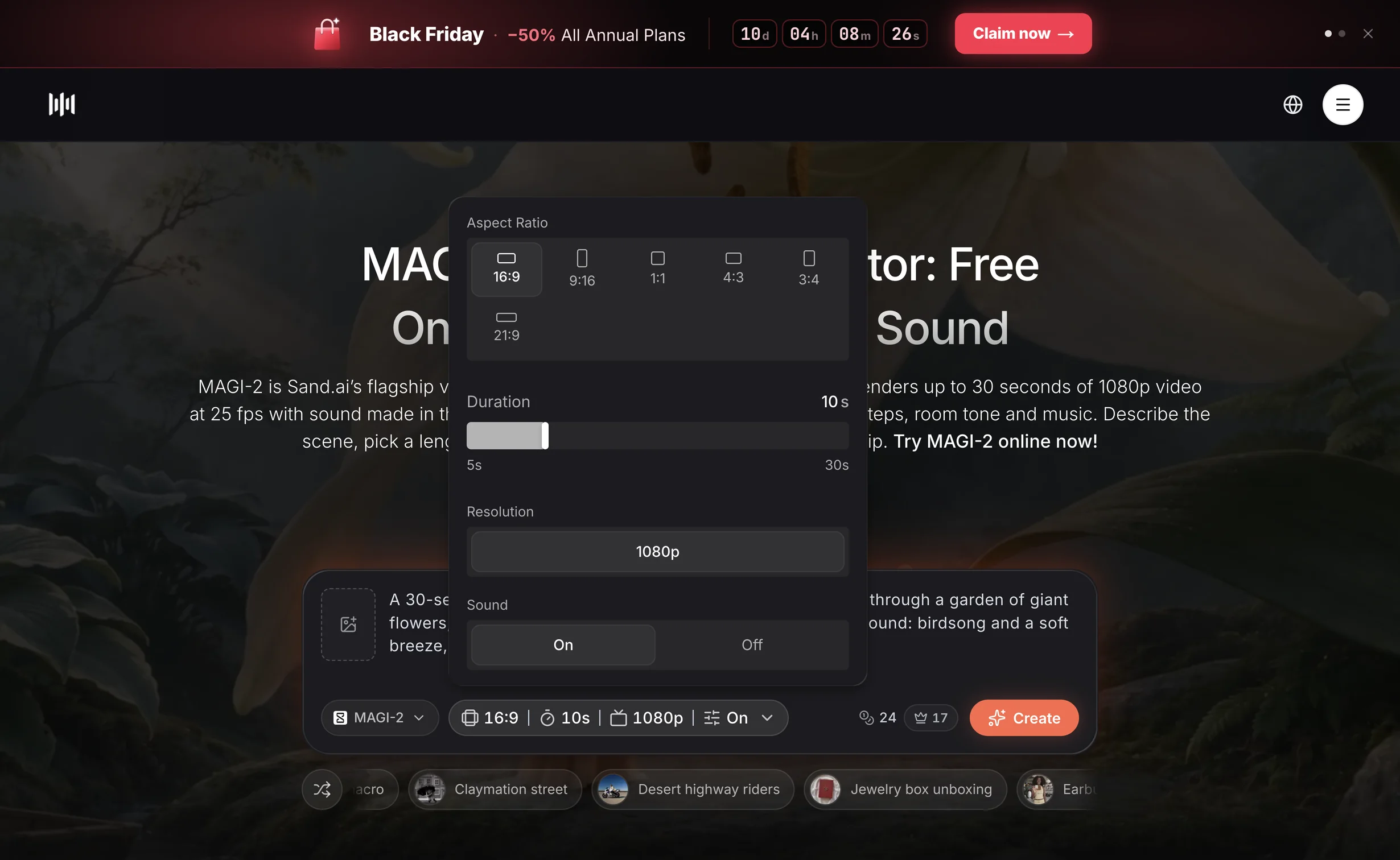
The MAGI-2 composer with its settings open, November 24, 2026.
SeedVideo AI lists MAGI-2 next to Seedance, Kling, Veo and Wan, so you can run the same prompt on several models from one credit balance.
- Open the MAGI-2 page; its composer starts on MAGI-2. In the main AI text-to-video generator, pick MAGI-2 from the model menu under Sand AI.
- Write the scene as a shot list, with times, dialogue in quotation marks and a sound line.
- Open the settings and choose an aspect ratio (16:9, 9:16, 1:1, 4:3, 3:4 or 21:9), a length from 5 to 30 seconds, and sound on or off. Resolution is fixed at 1080p.
- Check the credit total and create.
MAGI-2 is charged per second at 1080p. These are the base rates on SeedVideo AI, before plan discounts:
| Length | Credits |
|---|---|
| 5 s | 12 |
| 10 s | 24 |
| 15 s | 36 |
| 30 s | 72 |
The generator shows your exact total before you start, and the pricing page lists plans and credit packs.
MAGI-2 vs Seedance 2.5, Kling 4.0, Veo 3.1 and Wan 3.0
| Model | Longest clip | Top resolution | Best for | Not the best for |
|---|---|---|---|---|
| MAGI-2 | 30 s | 1080p | Long single takes with sound and scripted cuts | Cheap low-resolution drafts |
| Seedance 2.5 | 30 s | 4K | Jobs with many references, video edit and extend, 4K finals | Anyone who only needs one quick shot |
| Kling 4.0 | 30 s | 1080p | Kling's motion style with stereo sound from text or frames | Reference-heavy character work |
| Veo 3.1 | 8 s | 4K on the Fast tier | Short, physically grounded shots with sound | Anything longer than 8 seconds in one take |
| Wan 3.0 | 30 s | 1080p | Image and clip references with sound | The highest resolution |
For a wider view of the field, see our roundup of the best AI video generators in 2026 and the comparison of models for character consistency, or browse more model comparisons.
FAQ
What is MAGI-2?
MAGI-2 is a video generation model from Sand.ai, released on November 24, 2026. It is a 480B-parameter mixture-of-experts model that makes up to 30 seconds of 1080p, 25 fps video with sound from text and up to 20 reference files.
Who makes MAGI-2?
Sand.ai, the company behind the MAGI-1 autoregressive video model released in 2025 and MAGI-2 Preview released in August 2026.
Can I run MAGI-2 on my own computer?
Not the full model: its weights have not been released. The open MAGI-2 Preview needs at least eight NVIDIA Hopper GPUs according to its model card, so it is not a desktop model either.
Does MAGI-2 turn an image into a video?
Yes. Images go in as references, up to 10 per request through Sand.ai's native API, and a first and last frame can be set through its Ark-compatible endpoint.
Does MAGI-2 support video editing?
Yes. Sand.ai lists targeted editing of an existing video among MAGI-2's features, and its native API accepts up to five reference clips of 2 to 30 seconds.
Is SeedVideo AI affiliated with Sand.ai?
No. SeedVideo AI is an independent platform that runs MAGI-2 through an API. It is not operated by, endorsed by or affiliated with Sand.ai.