Seedance is a family of AI video generation models made by ByteDance Seed, the research team inside ByteDance. You give it a text prompt, images, video clips or audio, and it returns a short video with sound. It is a model, not an app: there is nothing called Seedance to download, and every site where you can use it is running the model on a server for you.
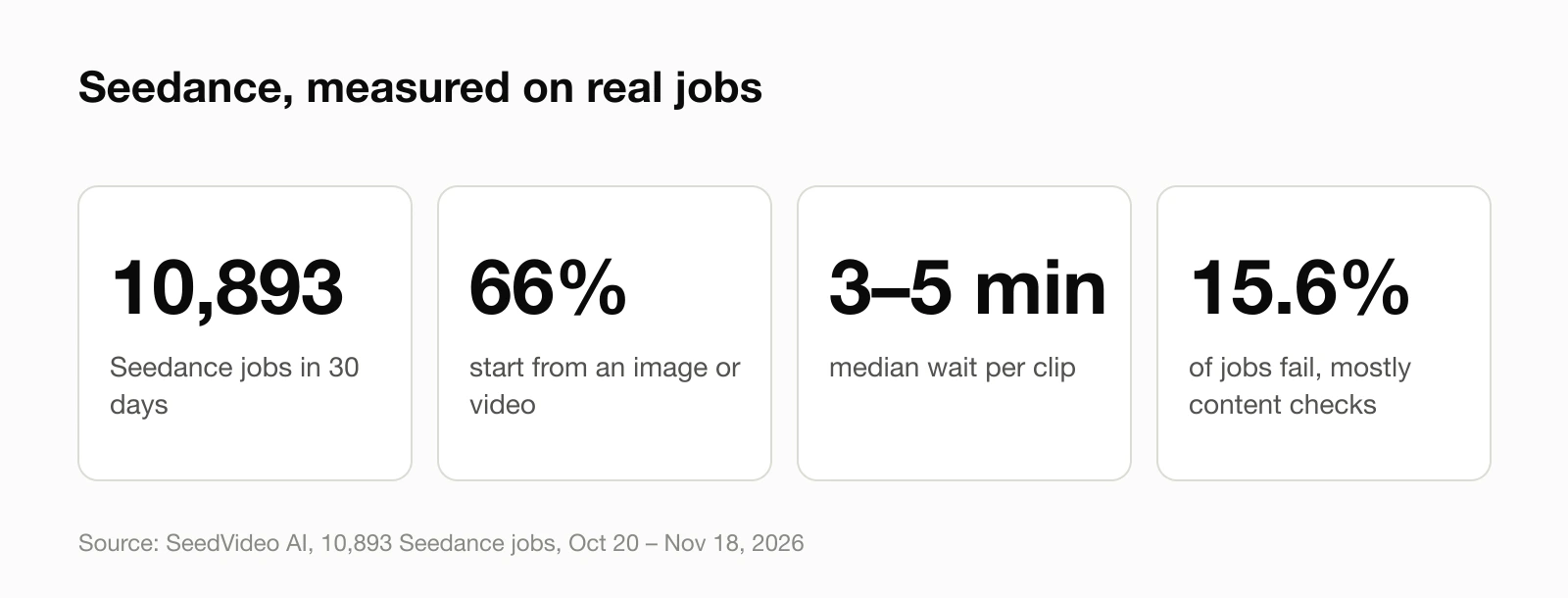
Most explanations stop there. This one adds what the official pages leave out: how the versions differ, which sites are official, what the output really looks like, and what happens when people use it. For that last part we counted every Seedance job run on SeedVideo AI between October 20 and November 18, 2026: 10,893 jobs, of which 6,953 came from 3,618 signed-in accounts and 3,940 were no-login trial runs.
Seedance in one table
| Question | Answer |
|---|---|
| What is Seedance? | A family of AI video models that generate video and audio together |
| Who makes Seedance? | ByteDance Seed, the model research team of ByteDance |
| When did it launch? | Seedance 1.0 in June 2025; Seedance 2.0 in February 2026; Seedance 2.5 on July 31, 2026 |
| What is the newest version? | Seedance 2.5. Seedance 3.0 has not been announced |
| Is it an app? | No. It is a hosted model used through apps, APIs and third-party sites |
| Is it open source? | No. ByteDance has not published the weights, so it cannot be run locally |
| How long are the clips? | Up to 15 seconds on Seedance 2.0, up to 30 seconds on Seedance 2.5 |
| How long does a clip take? | A median of 3 to 5 minutes in our data, depending on version and length |
| How often does a job fail? | 15.6% of the time in our data, almost always a content check |
Who makes Seedance?
Seedance is made by ByteDance, the Chinese technology company behind TikTok, Douyin and CapCut. The models come from ByteDance Seed, its AI research team, which also builds the Seedream image models and the Doubao language models. Seed publishes each Seedance model on seed.bytedance.com, and that domain is the only official source for what a version can do.
The same team has made every version, Seedance 2.0 and Seedance 2.5 included; no version comes from a different lab or a spin-off. On its GitHub profile Seed says it was established in 2023, has labs across China, Singapore and the United States, and that its models power more than 50 applications, among them Doubao and Jimeng.
Seedance is often confused with Seedream. Seedream makes still images; Seedance makes video. They share a team and a naming pattern, nothing else.
Who owns Seedance?
ByteDance owns Seedance. It is not a separate company, a startup or a product with shareholders of its own: Seedance is the name of a model line inside ByteDance, which Zhang Yiming and Liang Rubo founded in Beijing in 2012. "Seedance AI" is not a company either; it is simply how many people search for the model.
Ownership matters in practice because so many sites carry the name. When we ran a US web search for "what is Seedance" on November 20, 2026, two of the ten first-page results were ByteDance pages; two were independent sites with Seedance in their domain, and one was a Reddit thread asking where the official site is. ByteDance alone decides what each version does and where it is offered. Every other site with Seedance in its name, SeedVideo AI included, is an independent platform that runs the model through an API and owns no part of it.
The owner's rules also travel with the model. SeedVideo AI is not a ByteDance site, yet 1,508 of the 10,893 Seedance jobs run here between October 20 and November 18, 2026, or 13.8%, were stopped by the model's content checks. Whichever site you use, ByteDance's safeguards come with it.
Is Seedance Chinese?
Yes. Seedance is built by a Chinese company, ByteDance, which is headquartered in Beijing. Its Chinese apps were also first in line for the current version: when Seedance 2.5 launched, the official announcement named Jimeng AI and Doubao Pro, two ByteDance apps for the Chinese market, as the first places to use it, with the international API to follow.
Chinese-made does not mean Chinese-only. Outside mainland China ByteDance sells the same models under the name Dreamina Seedance through BytePlus, and the BytePlus documentation lists native support for 11 languages on Seedance 2.5, including English, Spanish, Japanese and Korean. One limit is worth knowing: the BytePlus Seedance 2.0 announcement states that BytePlus is not available in the United States. Our how-to guide covers using Seedance from the US.
What is Seedance 2.0?
Seedance 2.0 is ByteDance's second-generation AI video model, launched on February 12, 2026: one model that takes text, images, video and audio as input and generates picture and sound in one pass. It is the version that made the name famous. Its launch post lists up to 9 images, 3 video clips and 3 audio clips per request, and 15-second multi-shot output with two-channel audio.
What does Seedance 2.0 do?
Seedance 2.0 turns a prompt, with or without reference files, into a 4-to-15-second video with matching sound. ByteDance's API documentation lists five things it can do: generate a clip from text alone, animate an image used as the first frame or as the first and last frames, compose a new clip from reference images, videos and audio, edit an existing video, and extend one. The same page lists output from 480p up to 4K.
The reference mode is what set it apart. A reference image carries a character, a product or a style into the clip; a reference video lends its movement and camera work; a reference audio clip lends a voice or a piece of music.
On SeedVideo AI the Seedance 2.0 family is still what most people run. Between October 20 and November 18, 2026 it handled 9,058 of the 10,893 Seedance jobs we counted, or 83.2%: 8,371 on Mini, 578 on full Seedance 2.0 and 109 on Fast. The Mini count includes 3,940 no-login trial runs, which can only use Mini. Full Seedance 2.0 finished in a median of 4 min 40 s. Its failure rate looks high at 32.4%, 187 of 578 jobs, but 151 of those failures came from a single account whose prompts and clips kept being stopped by moderation. Across the other 46 accounts the rate was 11.3%, 36 of 319 jobs.
A first attempt is a fairer guide for a newcomer. Of the 37 accounts whose first-ever full Seedance 2.0 job fell in that window, 33 got a finished clip, 89.2%. On Mini it was the same share: 3,003 of 3,365 accounts. Both figures count signed-in jobs, not trial runs.
What is Seedance 2.5?
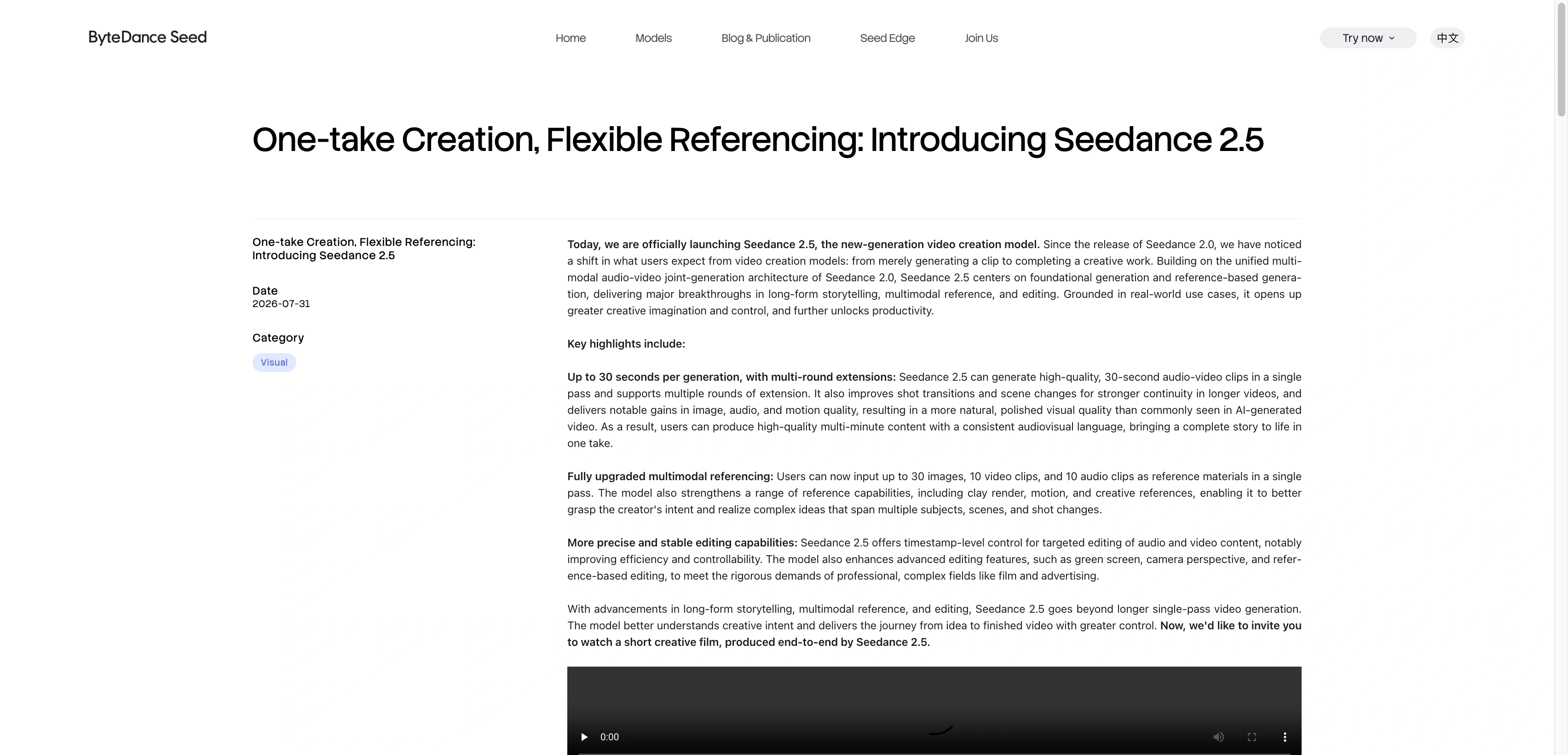
Seedance 2.5 is the newest Seedance model, released by ByteDance on July 31, 2026: it keeps the design of Seedance 2.0 and doubles the longest clip from 15 to 30 seconds in a single generation. ByteDance's launch post says it builds on the same joint audio-video architecture as 2.0, so it is an upgrade of that model, not a new kind of model.
Here is what changed against Seedance 2.0. The first seven rows come from ByteDance's launch posts and its API documentation; the last three are our own figures from SeedVideo AI jobs between October 20 and November 18, 2026.
| Seedance 2.0 | Seedance 2.5 | |
|---|---|---|
| Released | February 12, 2026 | July 31, 2026 |
| Longest clip in one generation | 15 seconds | 30 seconds |
| Reference files per request | 15: 9 images, 3 videos, 3 audio clips | 50: 30 images, 10 videos, 10 audio clips |
| Audio as the only reference | No, it needs an image or video with it | Yes |
| Draft preview mode | No | Yes |
| Top resolution on the official API | 4K | 4K |
| Lighter tiers | Fast and Mini | Flash |
| Share of Seedance jobs on SeedVideo AI | 5.3% (83.2% with Fast and Mini) | 15.5% |
| Median wait on SeedVideo AI | 4 min 40 s | 4 min 24 s |
| Jobs that failed on SeedVideo AI | 32.4% (11.3% leaving out one account) | 19.6% |
Length is the headline, but the reference and editing changes matter as much in use. Seedance 2.5 reads reference videos for framing and camera language instead of only motion, accepts more than three times as many reference files, and can be told what should happen in a specific time window of the clip. ByteDance also lists green-screen and camera-angle editing of existing footage, and a draft mode that renders a quick low-resolution preview before you commit to the full clip.
On SeedVideo AI, Seedance 2.5 ran 1,688 of the 10,893 jobs in that window, 15.5%. Which of its upgrades people use is not what the headline numbers suggest. Length is used: a quarter of its jobs, 423, are longer than 15 seconds, and among jobs that start from a reference video the share is 46.6% (216 of 464). The 50-file allowance is barely touched: only 42 jobs, 2.5%, carried more reference files than Seedance 2.0 would accept. The largest had 26 images, the typical reference job has three, and no job used more than two reference videos or more than one audio clip.
It was not slower overall: the median wait was 4 min 24 s, against 4 min 40 s on full Seedance 2.0. About one job in five failed, 331 of 1,688 or 19.6%, and 280 of those were content checks. That is above Mini's 13.6%, which fits the pattern shown further down: jobs with uploads are refused more often, and only about one Seedance 2.5 job in ten is text only. First attempts do a little better: of the 142 accounts whose first-ever Seedance 2.5 job fell in the window, 116 got a finished clip, 81.7%. Most 2.5 work is still done at lower resolutions: 49.5% of jobs at 480p, 42.5% at 720p and 8.0% at 1080p.
Choosing 2.5 does not mean leaving 2.0 behind. Of the 174 accounts that ran Seedance 2.5 in the window, 71 also ran Mini while signed in, 40.8%. Of those, 49 had started on Mini and moved up, and 32 went back to Mini after their first 2.5 job.
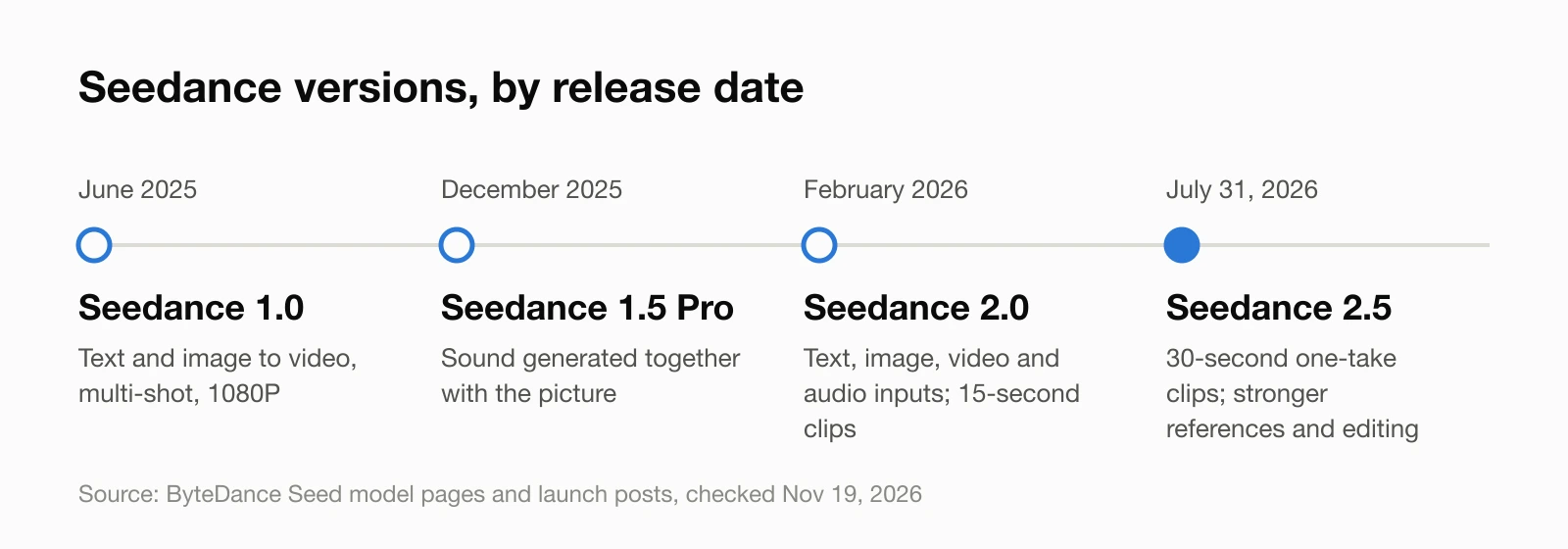
The whole line so far:
| Version | Released | What it added | Longest clip |
|---|---|---|---|
| Seedance 1.0 | June 2025 | Text and image to video, multi-shot clips, 1080P | Short clips, no audio |
| Seedance 1.5 Pro | December 2025 | Audio generated together with the video | Short clips |
| Seedance 2.0 | February 2026 | Text, image, video and audio inputs in one model; reference mode | 15 seconds |
| Seedance 2.5 | July 31, 2026 | One-take 30-second clips, stronger reference control, more reliable editing | 30 seconds |
Seedance 3.0 does not exist yet. ByteDance has announced no date, specs or price, and pages that list its features are guessing. Our Seedance 3.0 tracker records what is confirmed.
What is Seedance 2.0 Mini?
Seedance 2.0 Mini is the cheapest tier of the Seedance 2.0 family: the same generation of the model with the same features, limited to 480p and 720p output. It is a real ByteDance model, not a third-party nickname. ByteDance's API documentation lists three Seedance 2.0 models, Seedance 2.0, 2.0 fast and 2.0 mini, with the same inputs, editing and 4-to-15-second clips, and recommends Mini "for the best cost performance". Its model ID carries the date June 15, 2026, about four months after Seedance 2.0 launched.
Seedance 2.0 Fast sits between the two and trades some detail for speed. They are the same generation, priced and tuned differently. Seedance 2.5 has a light tier of its own, Seedance 2.5 Flash, which ByteDance lists at 480p and 720p with clips up to 30 seconds and up to 20 reference files.
Mini is also the Seedance most people actually use. On SeedVideo AI it ran 8,371 of the 10,893 Seedance jobs between October 20 and November 18, 2026, or 76.8%. Part of that is by design: 3,940 of those jobs are no-login trial runs, which are fixed to Mini at 4 seconds and 480p. Among signed-in jobs Mini still accounts for 63.7% (4,431 of 6,953), with a median wait of 2 min 25 s and a failure rate of 13.0% (576 jobs). Even when people choose freely, most of it is short, small test clips: 86.4% of signed-in Mini jobs are five seconds or shorter and 96.2% are rendered at 480p. This is how the four choices looked in a real model picker on November 19, 2026:
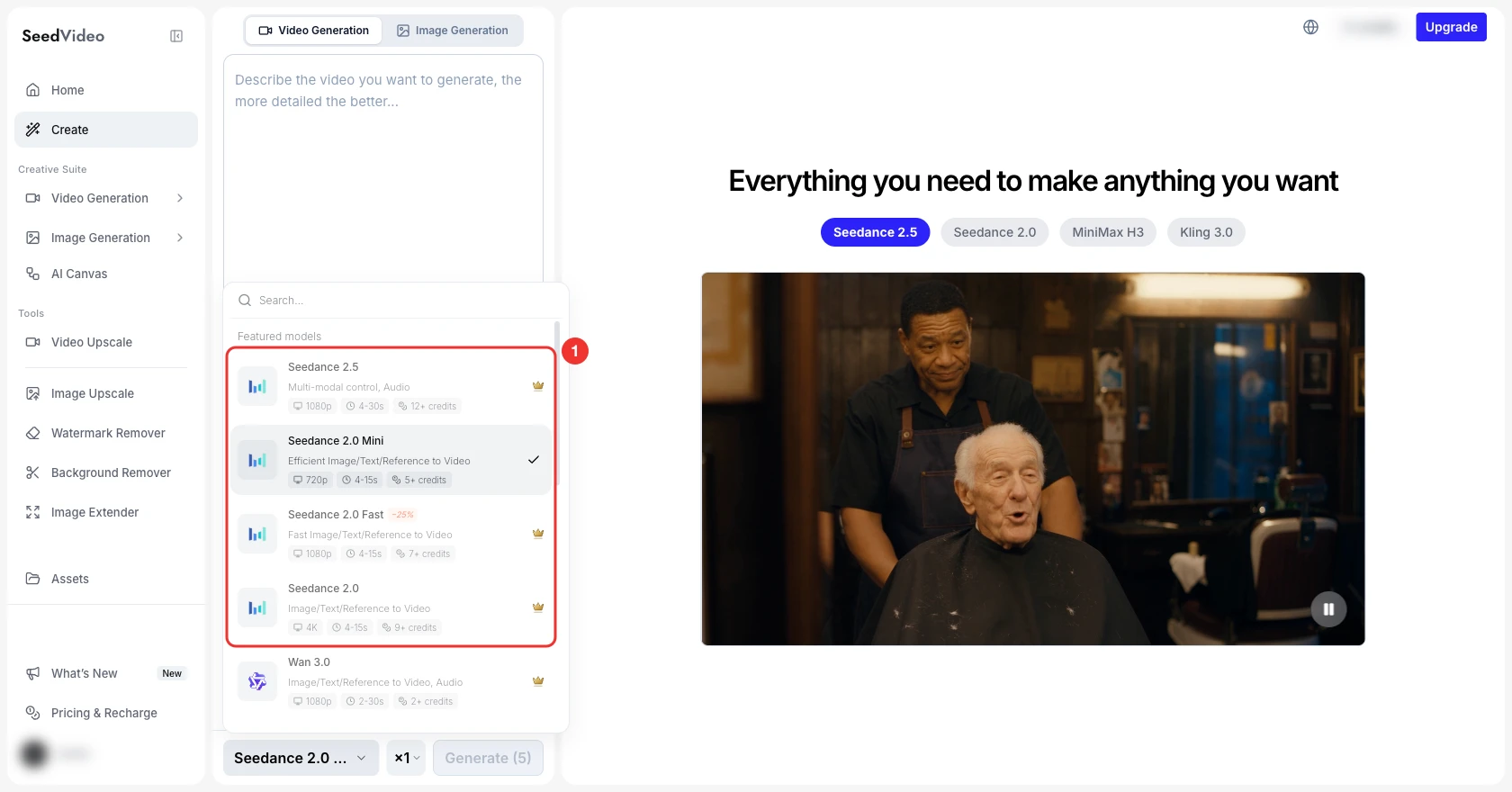
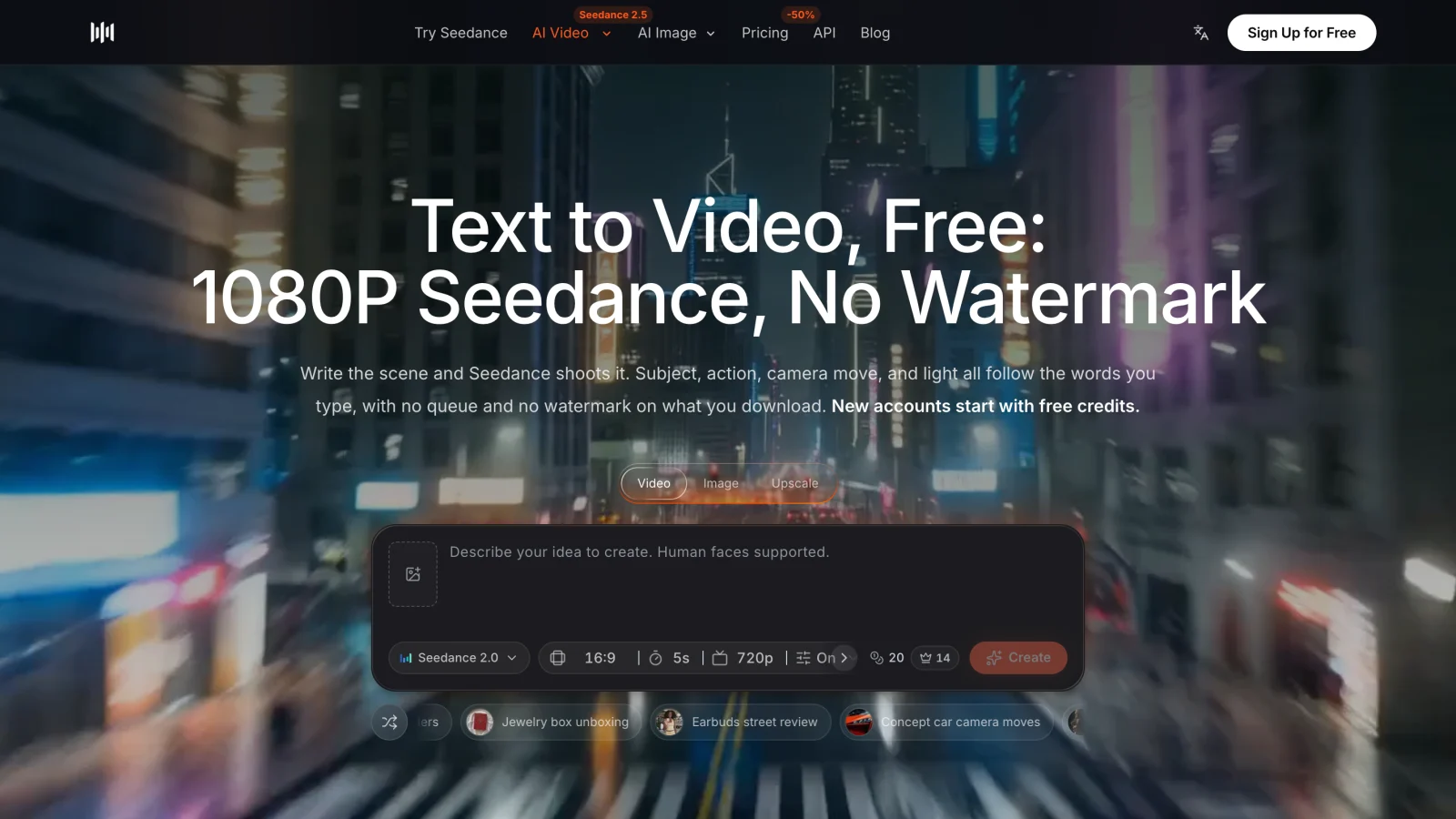
The SeedVideo AI workspace on November 19, 2026. Box 1 marks the four Seedance models, each with its top resolution, clip length and starting credit cost.
| Model | Top resolution | Clip length | Starts at |
|---|---|---|---|
| Seedance 2.5 | 4K | 4 to 30 seconds | 12 credits |
| Seedance 2.0 | 4K | 4 to 15 seconds | 9 credits |
| Seedance 2.0 Fast | 1080p | 4 to 15 seconds | 7 credits |
| Seedance 2.0 Mini | 720p | 4 to 15 seconds | 5 credits |
The screenshot predates two changes: Seedance 2.5 now goes up to 4K here, as the table shows, and Seedance 2.5 Flash has joined the picker as a fifth choice.
One practical point the model pages do not mention: the limits you get depend on the site, not only on the model. On SeedVideo AI, for example, Seedance 2.0 takes up to nine images and three reference videos but no audio references, while Seedance 2.5 takes up to 30 images, 10 videos and 10 audio clips. Check the limits of the platform you use before planning a shot around them.
What Seedance video looks like
Official demos are picked from the best results. The four clips below are first attempts we rendered ourselves on Seedance 2.5 on October 14, 2026, at the cheapest setting most people start with: 480p, 4 seconds, no retries and no prompt edits. Under every clip we note what the model followed and what it missed.
Text to video
A lightweight running shoe lands on a wet track in slow motion, compresses naturally, then pushes forward as droplets scatter; low side angle, short tracking move, crisp stadium rim light, energetic sports-ad pacing, accurate sole geometry, no floating parts or distorted laces.
Try this prompt in SeedVideo AI
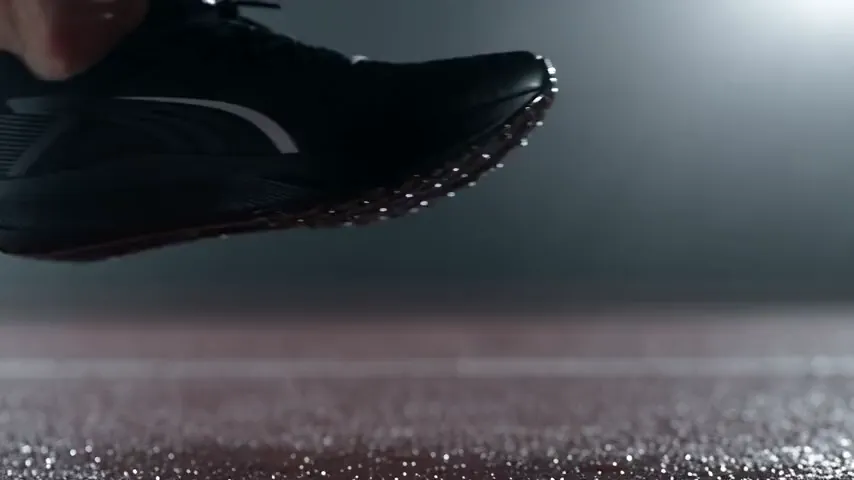
Seedance 2.5, text only, 16:9, 480p, 4 seconds, generated in 2 min 17 s. Followed: the landing, the flex, the spray, the low side angle and the rim light, with sole and laces intact. Missed: there is no stadium, only gray haze.
The camera moves slowly through a lively night market with steaming food stalls, handwritten signs, and small groups sharing dishes; eye-level stabilized walk-through, warm practical lights mixed with cool evening ambience, observational travel-film style, believable crowd motion, no readable fake brand names.
Try this prompt in SeedVideo AI
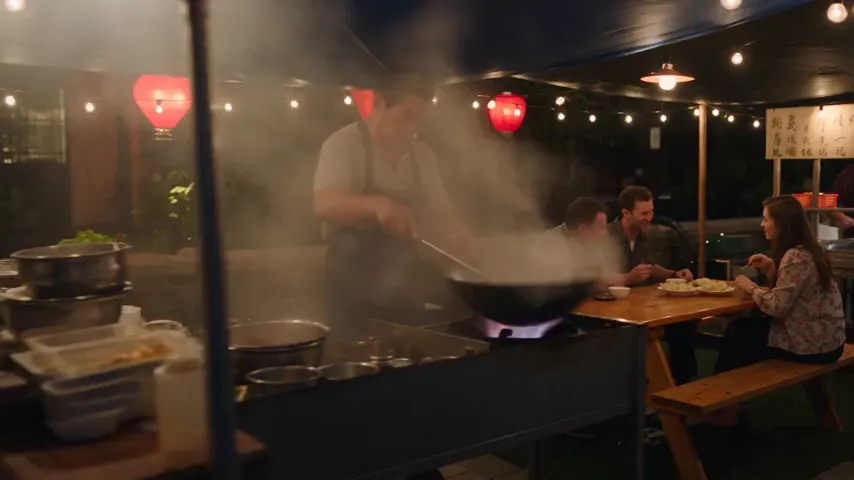
Seedance 2.5, text only, 16:9, 480p, 4 seconds, generated in 2 min 20 s. Followed: the steaming wok, string lights, diners sharing dishes, warm light against a blue evening. Missed: the camera drifts past one stall instead of walking through, and the handwritten signs are made-up characters.
The second clip shows the model's best-known weakness. Atmosphere, light and crowd motion are convincing; anything that has to be read is not.
Image to video
Here the model starts from a picture and only has to add motion. Both source images are AI-generated stand-ins, used as the first frame.
Keep the product shape, materials, colors, logo, and label exactly consistent with the reference image. Animate a slow 20-degree turn while a soft highlight travels across the surface. Camera remains stable, background stays unchanged, no new accessories or packaging.
Try this prompt in SeedVideo AI
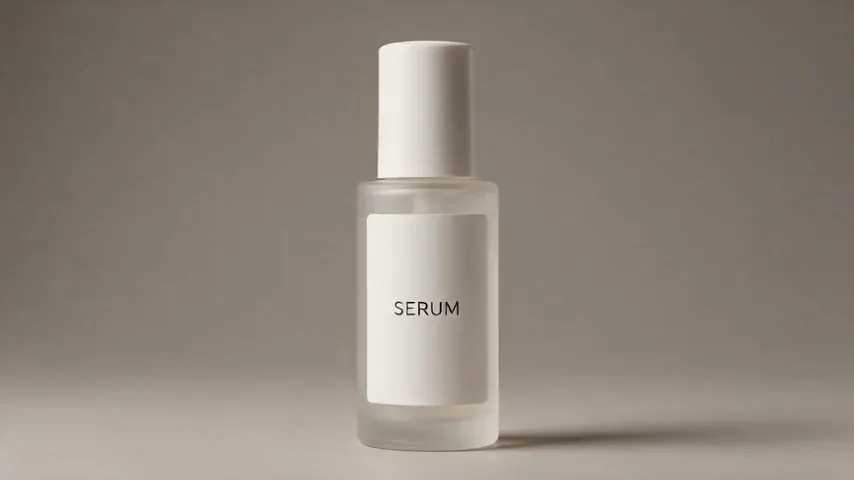
Seedance 2.5, image as first frame, 480p, 4 seconds, generated in 6 min 22 s. Followed: the bottle shape, frosted glass, cap and the SERUM label all hold, and the highlight slides across the glass. Missed: the bottle turns far more than 20 degrees.
Preserve the person's face, hairstyle, clothing, and background composition. Add a gentle breeze moving only loose hair and fabric, one natural blink, and a small shift of gaze toward the window. Slow camera push-in, soft unchanged lighting, realistic restrained motion, no face redesign.
Try this prompt in SeedVideo AI
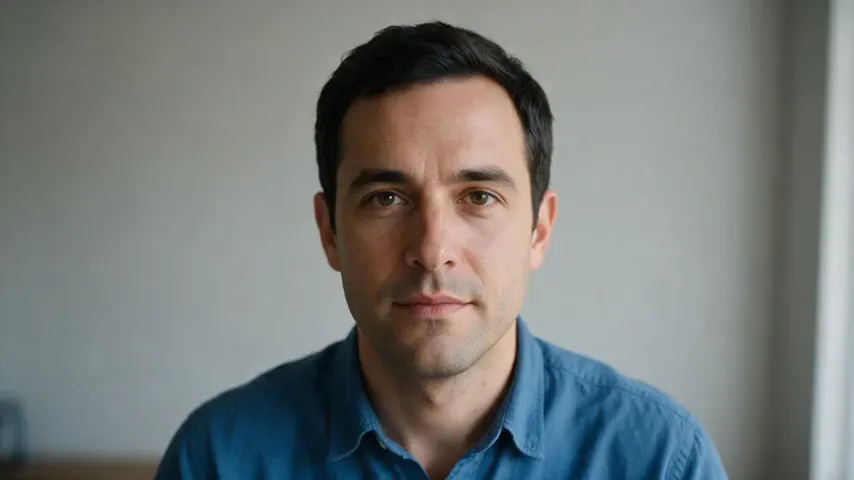
Seedance 2.5, image as first frame, 480p, 4 seconds, generated in 5 min 2 s. Followed: face, hair, shirt, wall and light match the source, and the gaze shifts with restrained motion. Missed: the push-in is barely visible.
Two things carry over to every Seedance version. The model is good at keeping what you give it: a label that exists in the source image survives, while a sign it has to invent does not. And it treats numbers loosely: "20 degrees" and "one blink" are read as "a turn" and "some blinking". The full set of 50 prompts, and all 10 we rendered, are in our AI video prompt examples.
Why Seedance became well known
Days after Seedance 2.0 launched, clips of famous actors and film characters made with it spread widely. The Motion Picture Association objected, Disney sent ByteDance a cease-and-desist letter on February 13, 2026, and on February 16 ByteDance said it would strengthen its safeguards against intellectual-property misuse. Wikipedia's Seedance entry follows the dispute in detail.
That history explains the most common surprise for new users today. The safeguards are strict, and they are the main reason a Seedance job fails. The numbers are below.
Where can you use Seedance?
There are four kinds of places, and only the first three belong to ByteDance.
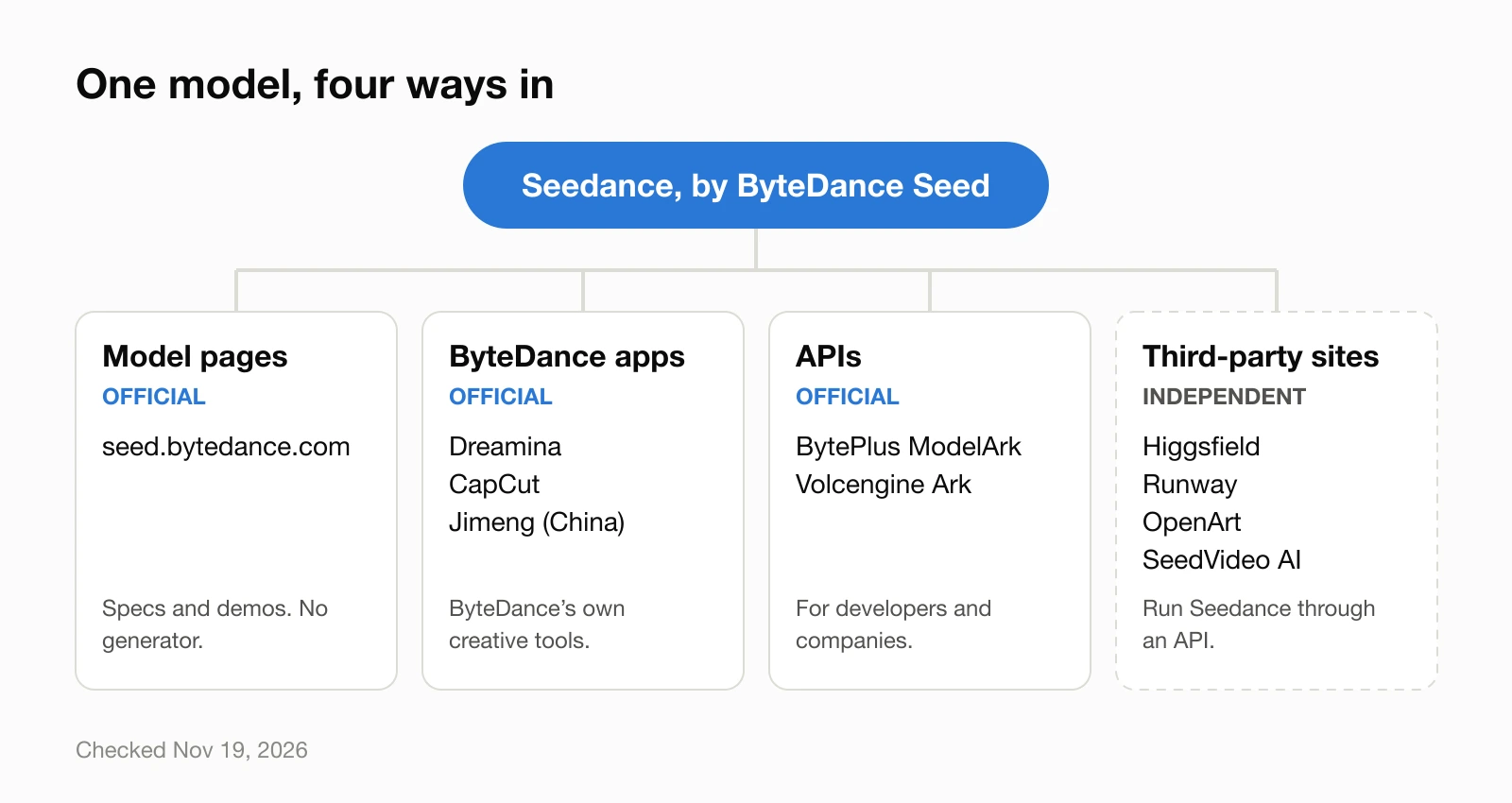
| Where | What it is | Who it suits |
|---|---|---|
| seed.bytedance.com | Official model pages, launch posts and demos. No generator | Anyone checking what a version really does |
| Dreamina, CapCut, Jimeng | ByteDance's own creative apps. Jimeng serves mainland China, Dreamina and CapCut serve other regions | Creators who want ByteDance's own product |
| BytePlus ModelArk, Volcengine Ark | The official APIs. BytePlus outside mainland China, Volcengine inside it | Developers and companies |
| Third-party platforms | Independent sites that run Seedance through an API, such as Higgsfield, Runway, OpenArt and SeedVideo AI | People who want to compare models or start in a browser |
So which is the official Seedance website? There is no single one. A page on a bytedance.com domain is official; so are Dreamina, CapCut and the two APIs. Any other site with Seedance in its name is an independent platform, whatever the domain suggests. That includes this one: SeedVideo AI at seeddance.io is not affiliated with ByteDance. Our Seedance vs Dreamina explainer covers how the accounts and credits differ.
How SeedVideo AI differs from the official routes
The model is the same everywhere; the terms around it are not. The table uses each provider's own pages as they read on November 20, 2026.
| Dreamina (ByteDance app) | BytePlus (official API) | SeedVideo AI | |
|---|---|---|---|
| Seedance versions | 2.5, 2.5 Flash, 2.0, 2.0 Mini | 2.5, 2.5 Flash, 2.0, 2.0 Fast, 2.0 Mini | 2.5, 2.5 Flash, 2.0, 2.0 Fast, 2.0 Mini in one picker |
| First clip without an account | No, its try links ask you to log in | No, and the model needs a USD 30 balance or a prepaid pack to activate | Yes: one Seedance 2.0 Mini clip, 4 seconds at 480p |
| Seedance 2.5 on a free account | Yes, with free daily credits | No | No, free accounts get Mini only |
| How you pay | Subscription plans with credits | Account balance, prepaid packs or a savings plan | Monthly plans or one-time credit packs |
| Regional limit | Says it is live worldwide; its page does not confirm the US | Not available in the United States | None |
| Other makers' video models | Veo 3.1 among others | An API catalog, not a creation tool | Kling 4.0, Veo 3.1, Wan 3.0, MiniMax H3 |
The official routes are ahead in three ways. ByteDance's own apps had Seedance 2.5 before the API did. Dreamina's free daily credits cover Seedance 2.5, and it lists a beta long-video mode of up to 180 seconds. And the official API follows ByteDance's full specification, including audio references on Seedance 2.0, which SeedVideo AI does not accept. What SeedVideo AI adds is a first clip without an account, credit packs without a subscription, and Seedance next to other makers' models in one picker.
Other third-party platforms differ on each of these lines, so check them the same way. Two examples from their own pages: Runway includes Seedance 2.0 on paid plans only and says it is available worldwide, and Higgsfield gives new accounts 10 credits, which it says is less than one Seedance 2.0 video needs. The how-to guide compares the platforms in more detail.
What 10,893 real Seedance jobs show
Everything in this section is first-party data from SeedVideo AI, October 20 to November 18, 2026. It describes how Seedance behaves on one platform, not a ByteDance benchmark.
One thing to keep in mind when reading it: 3,940 of the 10,893 jobs are no-login trial runs, which are fixed to Seedance 2.0 Mini at 4 seconds and 480p. The other 6,953 come from 3,618 signed-in accounts. Job counts below include both. Anything counted per account uses signed-in jobs only, because trial runs share one system id and cannot be told apart by visitor.
Most people bring an image, not just a prompt
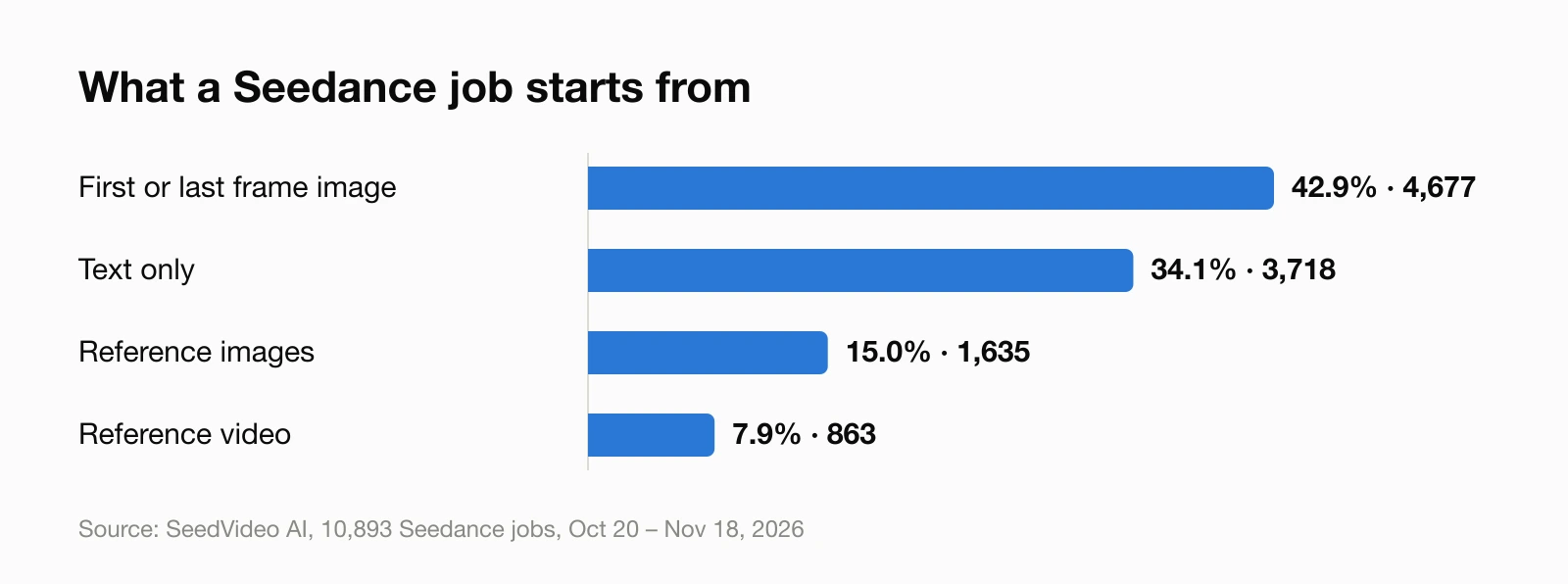
| What the job started from | Jobs | Share |
|---|---|---|
| A first or last frame image | 4,677 | 42.9% |
| Text only | 3,718 | 34.1% |
| Reference images | 1,635 | 15.0% |
| A reference video | 863 | 7.9% |
The four starting points mean different things. A first or last frame is a picture the clip must begin or end on. Reference images are not frames: they show the model a character, a product or a place to keep consistent while it composes its own shots. A reference video lends motion, framing and camera language. Text only leaves everything to the prompt.
Two jobs in three start from media the user already has. On Seedance 2.5 the pattern is stronger: only about one job in ten is text only, and a quarter of all 2.5 jobs run longer than 15 seconds, the length no earlier version reaches. Seedance is described as a text-to-video model, but it is mostly used as an image-to-video and reference-to-video model.
Other habits from the same jobs: 94% keep generated audio switched on, 67% are 16:9 and 13% are 9:16, and 77% are five seconds or shorter. The median prompt is 64 words long, far more than the one-line prompts most tutorials show.
How long a Seedance video takes
Time from pressing Generate to a finished file, for jobs that completed. Jobs queued on purpose under the Unlimited plan and draft previews are left out.
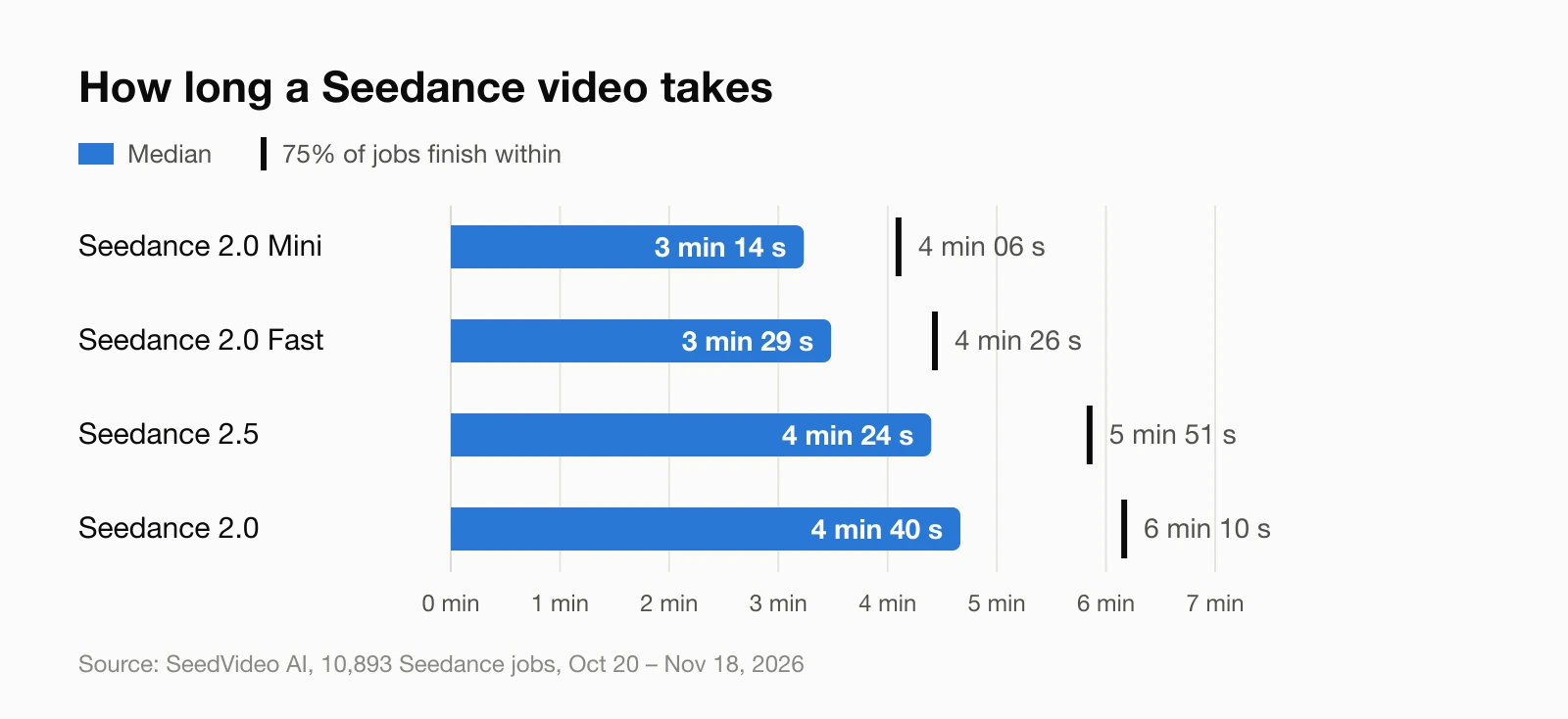
| Model | Finished jobs | Median | 75% finish within |
|---|---|---|---|
| Seedance 2.0 Mini | 7,228 | 3 min 14 s | 4 min 06 s |
| Seedance 2.0 Fast | 99 | 3 min 29 s | 4 min 26 s |
| Seedance 2.5 | 1,101 | 4 min 24 s | 5 min 51 s |
| Seedance 2.0 | 368 | 4 min 40 s | 6 min 10 s |
Clip length matters less than people expect. On Seedance 2.5 a clip of five seconds or less takes a median of 3 min 31 s, and a 16-to-30-second clip takes 5 min 27 s: up to six times the footage for about 55% more waiting.
| Seedance 2.5 clip length | Finished jobs | Median wait |
|---|---|---|
| 5 seconds or less | 293 | 3 min 31 s |
| 6 to 10 seconds | 289 | 4 min 08 s |
| 11 to 15 seconds | 263 | 4 min 11 s |
| 16 to 30 seconds | 256 | 5 min 27 s |
The Mini row mixes two groups. Signed-in Mini jobs finished in a median of 2 min 25 s (3,854 jobs); no-login trial runs took 3 min 57 s (3,374 runs), because a trial waits for a release slot before it starts.
Our Seedance 2.5 timing breakdown splits this further by resolution.
How often Seedance refuses, and why
Of 10,893 jobs, 9,197 finished and 1,696 failed, a failure rate of 15.6%. Nearly nine in ten failures were content checks, not technical errors.
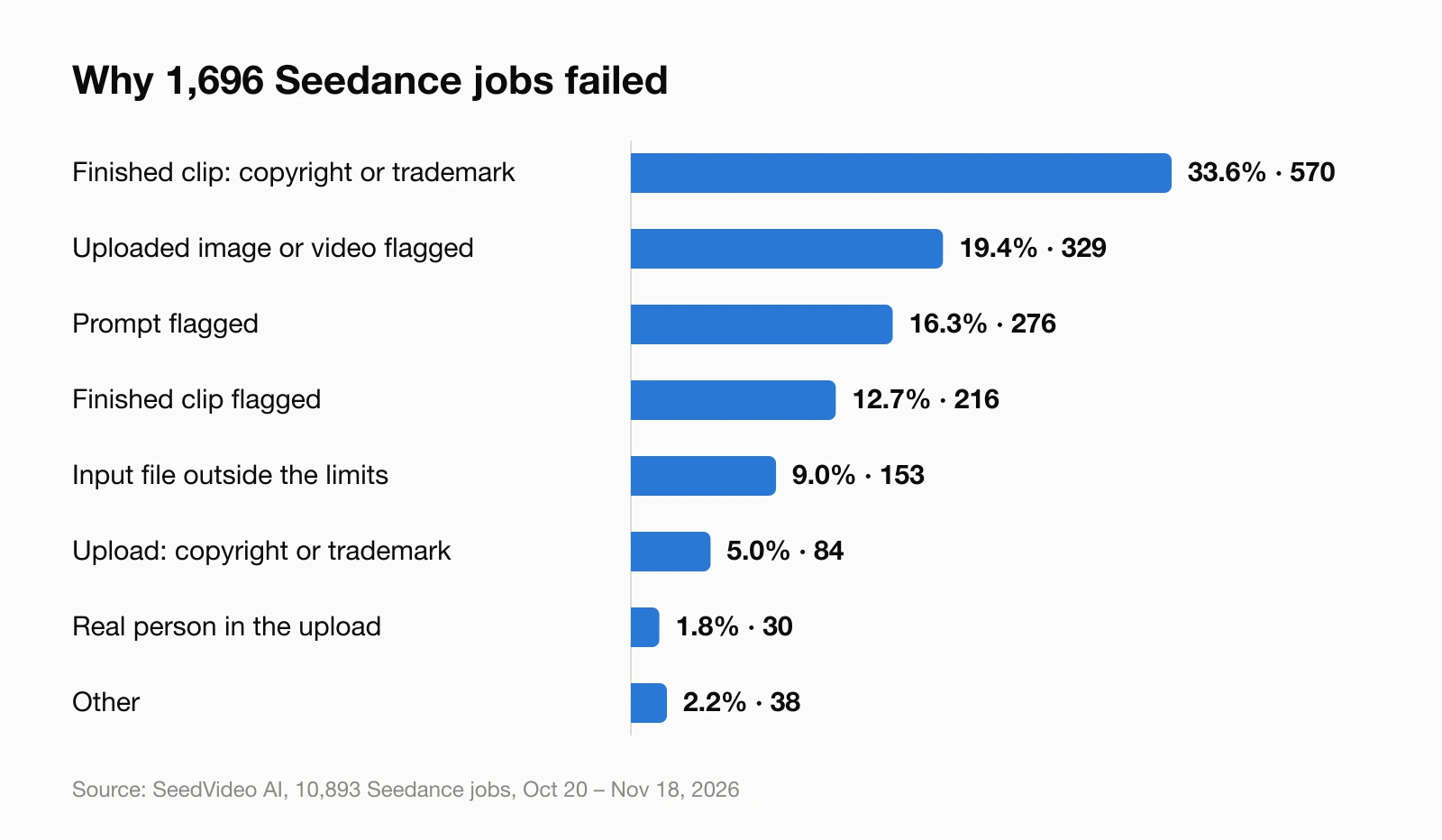
| Why the job failed | Jobs | Share of failures |
|---|---|---|
| Finished clip looked like copyrighted or trademarked content | 570 | 33.6% |
| Uploaded image or video flagged by moderation | 329 | 19.4% |
| Prompt flagged by moderation | 276 | 16.3% |
| Finished clip flagged by moderation | 216 | 12.7% |
| Input file outside the limits (size, length, format, frame rate) | 153 | 9.0% |
| Uploaded media contained copyrighted or trademarked content | 84 | 5.0% |
| Real person detected in the upload | 30 | 1.8% |
| Other | 38 | 2.2% |
Three things stand out.
Copyright is the largest single cause. Input and output checks together account for 654 failures, 38.6% of all failures and 6.0% of every job submitted. This is the safeguard ByteDance tightened after the February 2026 dispute, seen from the user's side.
Almost half of failures happen after the wait. 786 jobs, 46.3% of failures, were stopped by a check on the finished clip, not on the prompt. The prompt was accepted, the video was rendered, and the result was then withheld. A prompt that passes is not a guarantee.
The more you upload, the more often a job fails. Each upload is one more thing to be checked.
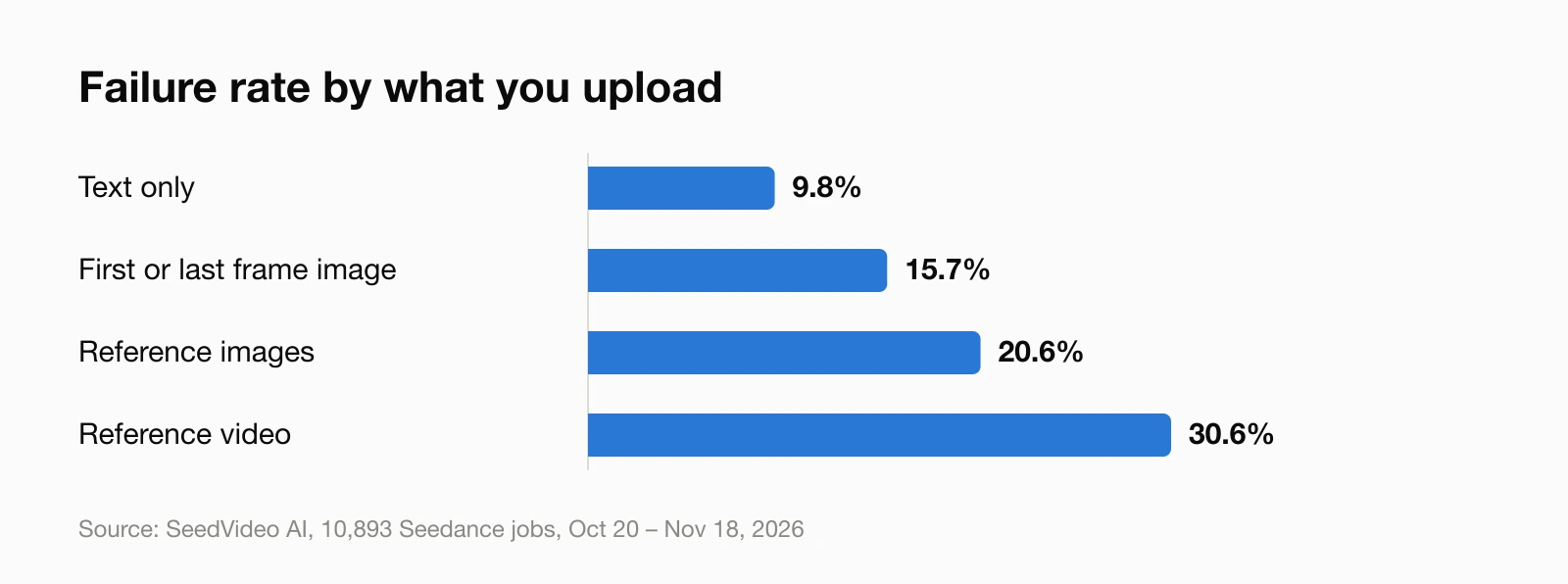
A refusal is often not the end, but a retry is no sure thing. These figures count signed-in accounts only; no-login trial runs are left out because they share one system id, so one visitor's retry cannot be told from another's. After 949 content refusals, a new job followed within 30 minutes in 68.5% of cases, and 57.2% of those retries led to a finished clip. Heavy users weigh on that: one account had 161 of the 949 refusals. Counted once per account, at the first content refusal, it looks more sober: of 374 accounts, 67.6% tried again within 30 minutes, the very next attempt finished for 33.6% of them, and 39.9% got a finished clip from a job started in that half hour. The patterns that trigger blocks, and how to rewrite around them, are in why Seedance blocks a prompt.
Which version people actually pick
| Model | Jobs | Share |
|---|---|---|
| Seedance 2.0 Mini | 8,371 | 76.8% |
| Seedance 2.5 | 1,688 | 15.5% |
| Seedance 2.0 | 578 | 5.3% |
| Seedance 2.0 Fast | 109 | 1.0% |
| Seedance 1.x | 147 | 1.3% |
The newest model is not the most used one. Mini is the cheapest way to test an idea and the only model a no-login trial can use, so it carries three jobs in four, and 2.5 is what people switch to once a shot is worth the credits. Full Seedance 2.0 is now a specialist choice: two thirds of its jobs use reference images or a reference video.
Leave out the 3,940 trial runs and the order holds: of the 6,953 signed-in jobs, Mini has 63.7%, Seedance 2.5 24.3% and full Seedance 2.0 8.3%.
Mini and 2.5 are used for different work. Mini is for quick tests from a prompt or a single image; 2.5 is for longer, reference-led shots written out in detail. The Mini column counts signed-in jobs only, since trial runs cannot change length or resolution.
| Seedance 2.0 Mini | Seedance 2.5 | |
|---|---|---|
| Jobs counted | 4,431 | 1,688 |
| Most common starting point | First or last frame image, 45.7% | Reference images, 35.4% |
| Text only | 32.2% | 10.5% |
| Starts from a reference video | 7.2% | 27.5% |
| Median clip length | 4 seconds | 10 seconds |
| Rendered at 480p | 96.2% | 49.5% |
| Median prompt length | 68 words | 184 words |
| First job on the model finished | 89.2% of 3,365 accounts | 81.7% of 142 accounts |
Full Seedance 2.0 is left out of this table because one account ran 259 of its 578 jobs, which makes its averages one person's habits.
What Seedance is good at, and where it struggles
Seedance is strongest on a single clear subject with believable motion: fabric, liquid, dust, a slow camera push. Sound arrives with the picture, so a clip is usable without a separate audio step. Since 2.0 it also holds a character or product steady across shots when you supply reference images.
It struggles with readable text and logos it has to invent, detailed hand movement, and exact timing of an action to a specific second. Recognisable brands and franchise characters are usually blocked. Photos of people are a smaller problem than many guides claim: of 7,175 jobs that started from an upload, 30 were refused for containing a real person. Treat the output as footage to review and cut, not a finished film.
If you are choosing between Seedance and another model, these put them side by side: Seedance 2.5 vs Kling 3.0, Seedance 2.5 vs Veo 3.1 and Wan 3.0 vs Seedance 2.5.
How to try Seedance
Pick a route from the table above. For a browser start with no setup, open the Seedance 2.5 model page or the text-to-video generator on SeedVideo AI. New accounts start with some credits, each model shows its credit cost before you generate, and the plans are on the pricing page.
Going by the data above, a sensible first run looks like this:
- Choose Seedance 2.0 Mini, 480p and 4 or 5 seconds. It is the cheapest setting and finishes in about two and a half minutes.
- Start from one image if you have one. Two jobs in three do, and the model keeps what it is given better than what it invents.
- Write the prompt as subject, action, camera move and light. The median prompt in our data is 64 words.
- Keep brand names, franchise characters and logos out of the prompt and the upload. They are the top reason a job fails.
- If a job is refused, reword and run it again, and expect to need more than one go. After a first refusal, the next attempt finished for one account in three.
- Move to Seedance 2.5 when the shot needs more than 15 seconds or a reference video.
For step-by-step help, see how to use Seedance 2.0 and 2.5 and the Seedance 2.0 prompt guide.
FAQ
Is Seedance an app I can download?
No. Seedance is a model that runs on ByteDance or partner servers. Apps such as Dreamina and CapCut use it, but there is no official Seedance installer, and a download offered under that name is not from ByteDance. More in can you download Seedance or run it locally.
Is Seedance the same as Dreamina or CapCut?
No. Seedance is the model; Dreamina and CapCut are ByteDance apps that use it. You can also reach the same model through the official APIs and through independent platforms.
Is Seedance open source?
No. ByteDance has not released the weights for any Seedance version, so it cannot be run on your own computer. Details are in is Seedance 2.5 open source.
What is the latest Seedance version?
Seedance 2.5, released on July 31, 2026. Seedance 3.0 has not been announced as of November 19, 2026.
Is Seedance safe to use?
The model itself runs remotely, so the practical risk is the site you use it on, not the model. Stick to ByteDance's own properties or a platform with clear terms, and see is Seedance AI safe for a checklist.
Why did Seedance refuse my prompt?
Most likely a content check. In our data 13.8% of all Seedance jobs were stopped by one, most often because the finished clip resembled copyrighted or trademarked material. Rewording helps but not every time: of signed-in accounts that retried after their first refusal, about four in ten had a finished clip from that half hour.
How we counted
The figures cover every Seedance video job created on SeedVideo AI from October 20 to November 18, 2026 that reached a final state: 10,893 jobs across Seedance 1.0 Pro Fast, 1.5 Pro, 2.0, 2.0 Fast, 2.0 Mini and 2.5. Of these, 6,953 were run by 3,618 signed-in accounts and 3,940 were no-login trial runs; 2,878 of the trial runs sit under one shared system id and 1,062 were claimed by an account at sign-up. Every per-account figure (retries, first jobs, switching between versions) therefore uses signed-in jobs only. Guest trials that expired before starting are excluded. Timing runs from job creation to completion and leaves out Unlimited-plan jobs queued by design and draft previews; trial runs, which wait briefly for a release slot, are included in the Mini figure. Failure reasons come from the message returned for each failed job, and the failure rates by version count the same jobs. First-job figures cover signed-in accounts whose first-ever job on that model fell in the window. A retry is any Seedance job the same account started within 30 minutes of a content refusal, and it counts as successful when one of those jobs finished. The search-result count is from one US web search on November 20, 2026, and the platform comparison uses each provider's own pages on the same date. The four sample clips are our own test renders from October 14, 2026, one attempt each with no retries. Version facts and release dates come from ByteDance Seed's model pages and launch posts and from the BytePlus ModelArk documentation, checked on November 20, 2026.